
Best Debt Payoff Planners: Tools for Organizing Your Debt Repayment
A debt payoff planner can make multiple balances, interest rates, minimum payments and due dates easier to manage. Learn what to track and how to choose the right debt-planning tool.
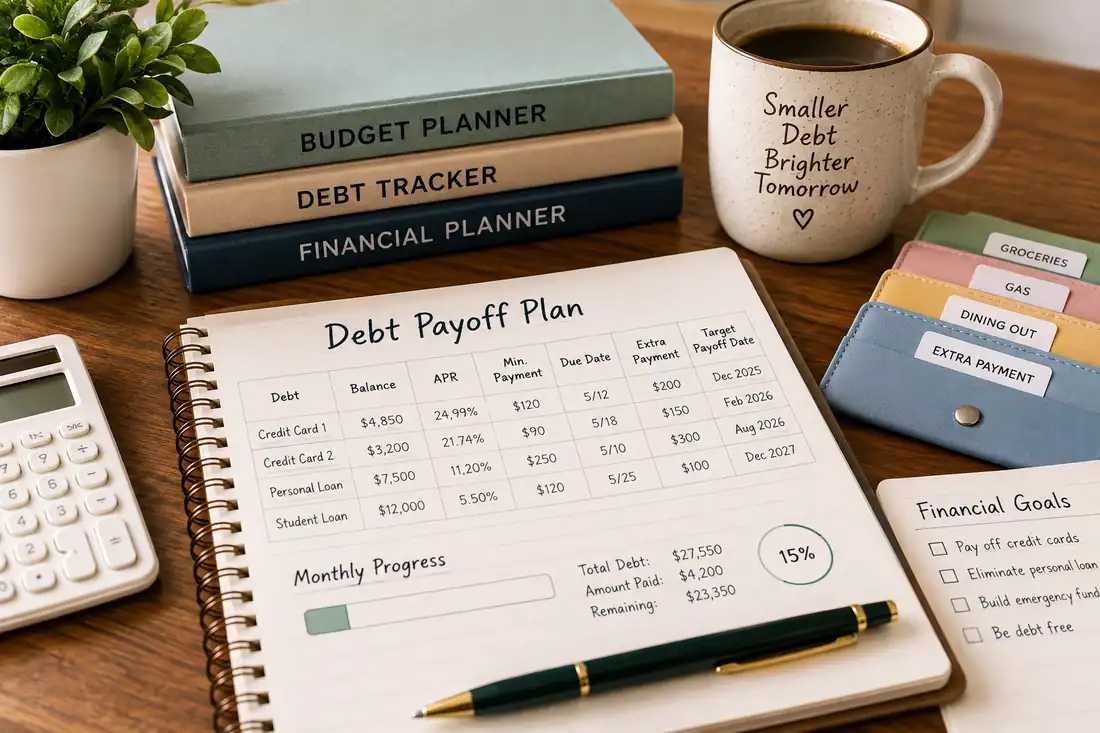
Paying down debt is easier to manage when you can see the whole picture: what you owe, which payments are due, how much interest each balance carries, and how your progress changes from month to month.
A debt payoff planner can provide that structure without trying to make the financial decisions for you. It can be a paper planner, workbook, binder, spreadsheet, or combination of tools that helps turn several balances into a clear repayment plan.
The right tool depends on the type and number of debts you have. Someone paying off one credit card may only need a simple tracker. A household managing credit cards, personal loans and other balances may need a more detailed system.
This guide explains what to track, how the debt snowball and debt avalanche approaches differ, and what to look for when buying a physical debt payoff planner, budget binder, financial workbook, expense tracker or cash-envelope system.
For the broader CoreAdorn collection of money and career resources, visit the Personal Finance & Career hub.
Important: A debt payoff planner is an organizational tool, not financial, tax or legal advice. It does not negotiate with creditors, change your interest rate, guarantee debt reduction or determine which strategy is appropriate for your circumstances.
Quick Answer: What Does a Debt Payoff Planner Do?
A debt payoff planner helps you organize the information needed to manage debt repayment.
- Creditor or lender names
- Current balances
- Interest rates or APRs
- Minimum payments
- Payment due dates
- Extra payments
- Remaining balances
- Payoff dates
- Monthly progress
- Debt totals
- Repayment milestones
- Household financial goals
The most useful planner is the one you will actually update.
A beautiful workbook that sits in a drawer is less useful than a basic notebook or spreadsheet that you review every month.
When you buy through links on our site, we may earn an affiliate commission at no extra cost to you. This helps support our work.
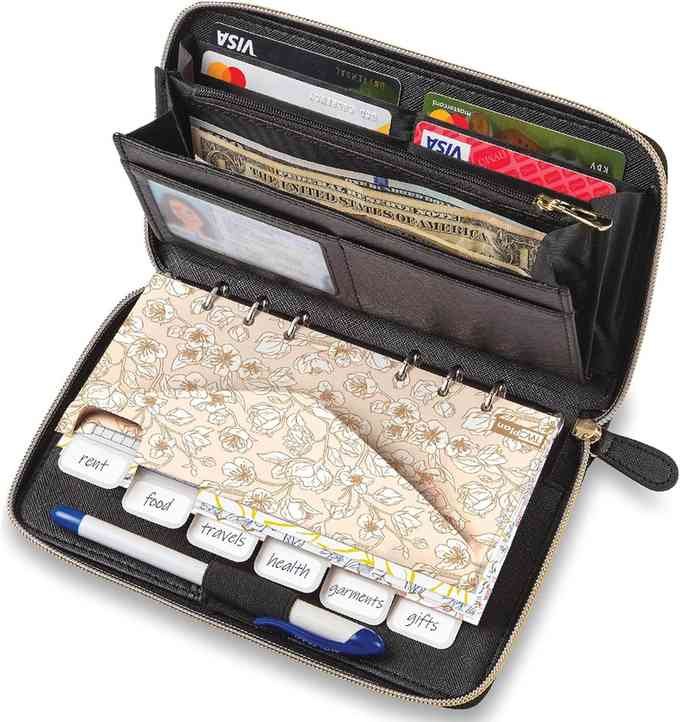
This Cash Envelope Wallet is an all-in-one budgeting system designed to organize spending and savings. It includes 12 tabbed envelopes, monthly budget cards, and a yearly planner sheet. With RFID blocking and a compact d...
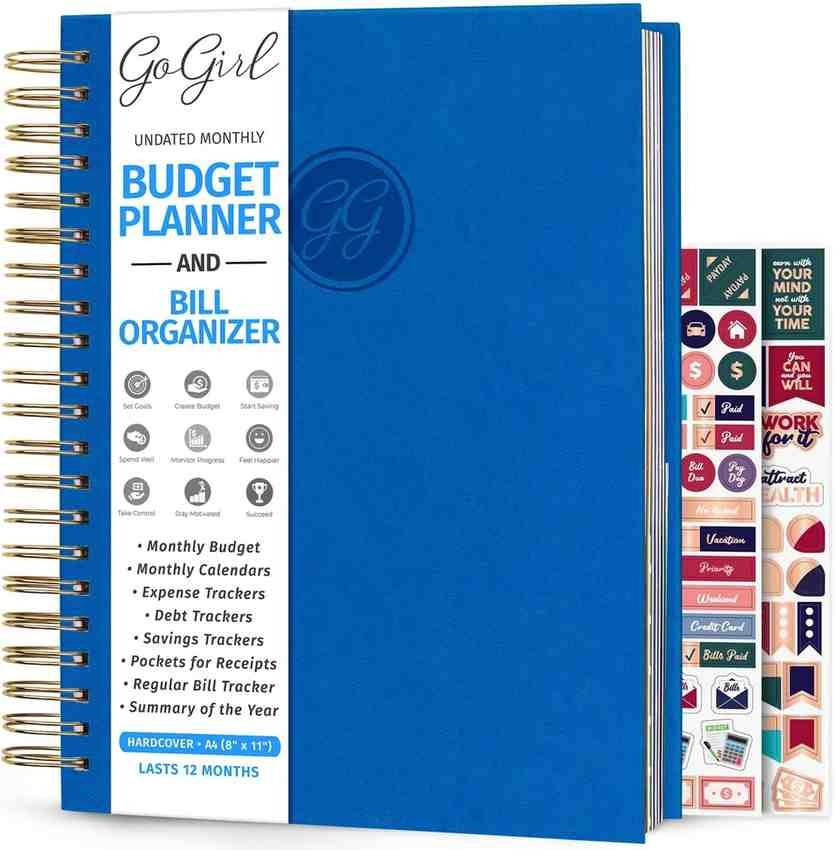
The GoGirl Budget Planner & Monthly Bill Organizer helps you take control of your finances with monthly budget pages, expense and debt trackers, savings goals, bill organizers, and receipt pockets. Its practical layout m...
Who This Article Is For
This guide is intended for U.S. adults who are:
- Paying down credit card balances
- Managing several personal loans
- Trying to organize household debt
- Comparing debt payoff methods
- Looking for a physical debt planner
- Combining budgeting with debt repayment
- Trying to make debt progress easier to visualize
- Looking for a simple system to track payments
It can also help couples or households that want one place to review shared debts.
What Is a Debt Payoff Planner?
A debt payoff planner is a tool for recording and monitoring your debt repayment plan.
It does not necessarily tell you what to do. Instead, it gives you a structure for making your own plan.
For example, suppose you have two credit cards, a personal loan, a student loan and several monthly payment dates. Without a central record, it is easy to lose track of balances or focus only on the next bill.
A planner lets you put the debts together and monitor them as a group.
- How much do I owe in total?
- Which balance has the highest APR?
- Which debt has the smallest balance?
- What are my minimum payments?
- How much extra can I put toward debt this month?
- Which payment is due next?
- How much did my total debt decline this month?
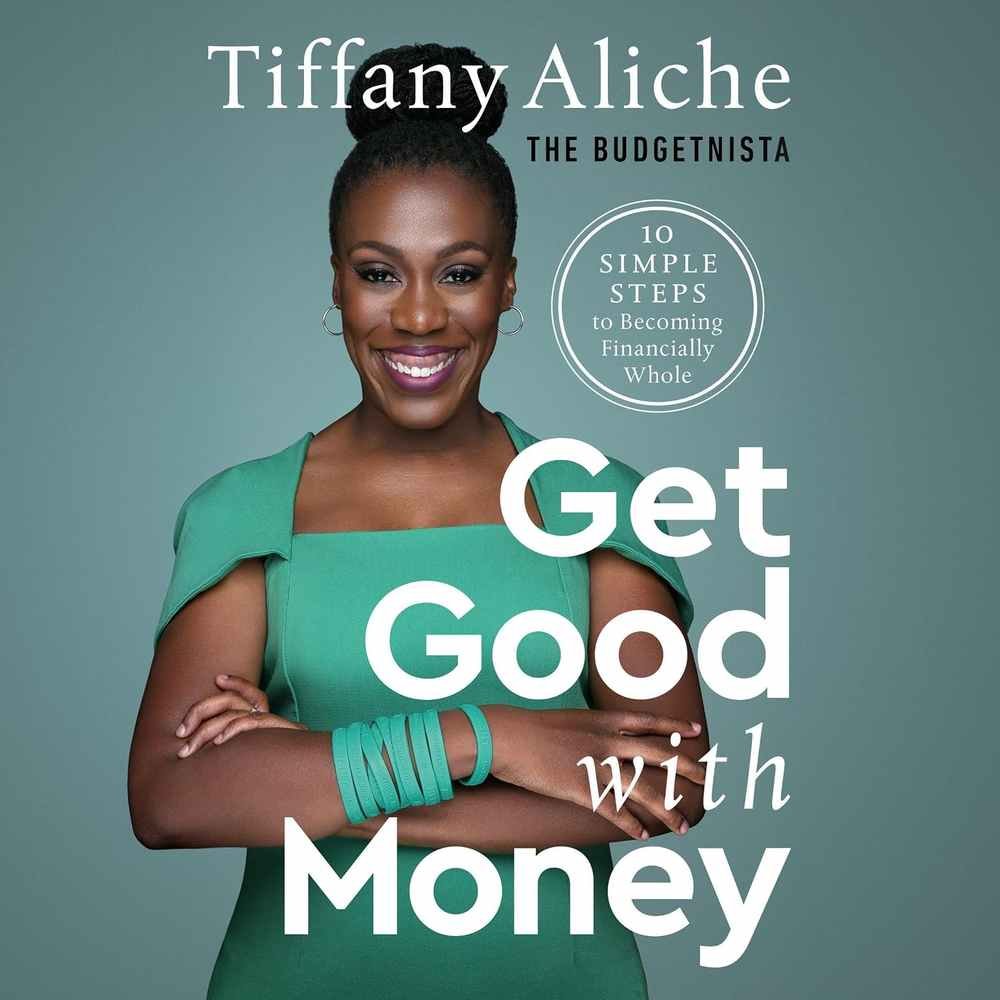
Get Good with Money: Ten Simple Steps to Becoming Financially Whole offers a practical, step-by-step approach to managing money. It covers budgeting, saving, debt, credit, investing, and building financial confidence. Th...
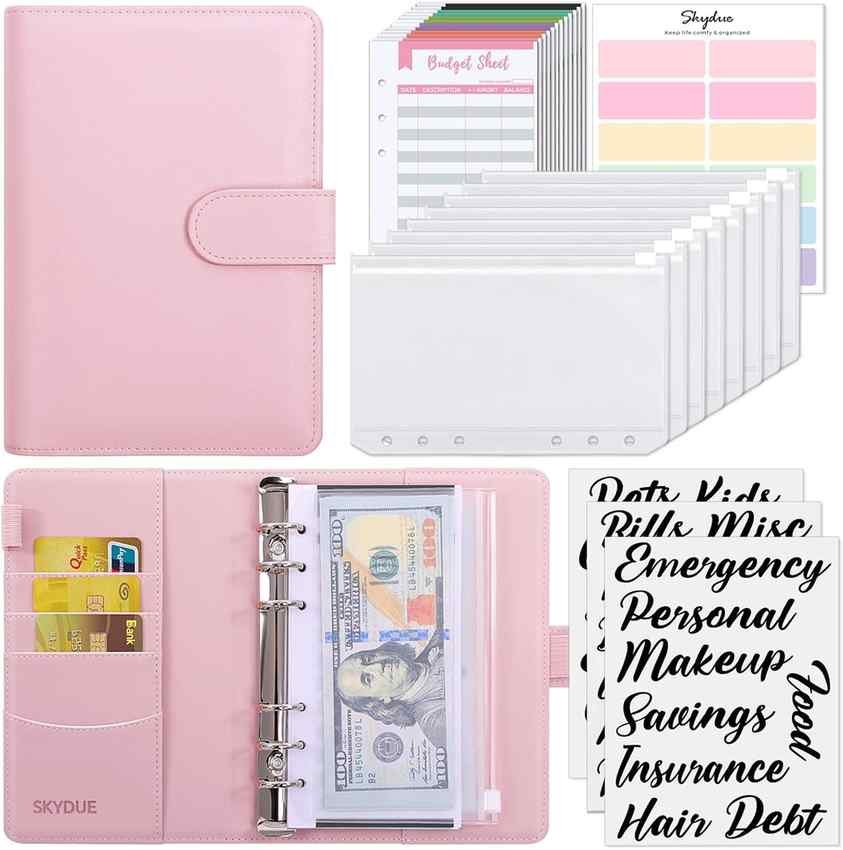
The SKYDUE Budget Binder is a practical cash-management tool designed to make budgeting easier. With zipper envelopes, cash envelopes, and expense budget sheets, it helps you organize bills, track spending, set savings g...
Debt Payoff Planner vs. Financial Advice
A planner can help you record information and follow a plan .
Financial advice is different. Advice involves evaluating your circumstances and making recommendations about what you should do.
A debt payoff planner generally does not:
- Negotiate with creditors
- Change your loan terms
- Provide individualized tax advice
- Determine whether bankruptcy is appropriate
- Guarantee a particular payoff date
- Guarantee savings
- Decide whether you should invest or pay debt
- Replace professional financial or legal guidance
If you are struggling to make minimum payments, facing collection activity or considering debt settlement, a planner alone may not be enough.
The GoGirl Budget Planner & Monthly Bill Organizer helps you take control of your finances with monthly budget pages, expense and debt trackers, savings goals, bill organizers, and receipt pockets. Its practical layout m...

Money for Couples by Ramit Sethi offers a practical 10-step plan to help couples manage money without stress or fights. It covers spending, saving, debt, investing, and shared financial goals, helping partners build bett...
Debt Snowball vs. Debt Avalanche
Two commonly discussed repayment approaches are the debt snowball and debt avalanche , also called the highest-interest-rate method.
Debt Snowball
- Make at least the required minimum payments on your debts.
- Put available extra money toward the smallest balance.
- Once that balance is paid off, redirect the freed-up payment toward the next smallest balance.
- Continue until the debts are paid.
The main attraction is visible progress. If you have several small balances, eliminating one completely can provide a clear milestone.
The tradeoff is that you may not be attacking the debt with the highest interest rate first.
Debt Avalanche
- Make the required minimum payments.
- Direct extra money toward the debt with the highest interest rate.
- Once it is paid off, redirect that payment toward the next-highest-rate debt.
- Continue until the balances are eliminated.
The potential advantage is mathematical: you focus extra payments on the debt that is costing you the most in interest.
The downside is psychological for some people. If the highest-rate balance is also large, it may take longer before you see a debt completely disappear.
Which Method Should You Use?
A planner should not force you into one method.
Your choice may depend on:
- Interest rates
- Balance sizes
- Number of debts
- Available extra cash
- Your preference for quick milestones
- Your ability to stay consistent
- Changes expected in your income or expenses
The important thing is to understand how the method works and then track it consistently.
The GoGirl Budget Planner & Monthly Bill Organizer helps you take control of your finances with monthly budget pages, expense and debt trackers, savings goals, bill organizers, and receipt pockets. Its practical layout m...
The SKYDUE Budget Binder is a practical cash-management tool designed to make budgeting easier. With zipper envelopes, cash envelopes, and expense budget sheets, it helps you organize bills, track spending, set savings g...
What Information Should a Debt Planner Track?
1. Creditor or Lender
Record the company or institution you owe.
2. Current Balance
Record the balance when you begin your plan, then update it periodically.
3. Interest Rate or APR
This is especially important if you are comparing debts for an avalanche strategy. For credit cards, check the current statement or account information rather than relying on an old number.
4. Minimum Payment
Record the minimum amount required for each account. Your planner should make it easy to distinguish the required payment from the additional amount you intend to pay.
5. Payment Due Date
A due-date tracker can help prevent missed payments.
6. Extra Payment
Record how much additional money you are directing toward the targeted debt.
7. New Balance
After each payment cycle, update the balance.
8. Progress
A visual progress bar, percentage tracker or debt thermometer can make long repayment periods easier to follow.
Minimum Payment Tracking
Minimum payment tracking deserves its own section because it is easy to overlook when focusing on extra payments.
A planner should make it obvious:
- What must be paid
- When it must be paid
- What additional payment you plan to make
- Whether the payment was completed
The planner does not replace your lender or credit-card statement. Use the current statement or account information for the actual required payment.
Tracking Interest Rates
Interest rates matter because two debts with similar balances can have very different costs.
A planner should therefore have a dedicated place for:
- APR
- Rate type, where relevant
- Promotional rate
- Promotional-rate expiration
- Date last checked
Do not assume the rate printed in a planner remains current forever.
This Cash Envelope Wallet is an all-in-one budgeting system designed to organize spending and savings. It includes 12 tabbed envelopes, monthly budget cards, and a yearly planner sheet. With RFID blocking and a compact d...
Get Good with Money: Ten Simple Steps to Becoming Financially Whole offers a practical, step-by-step approach to managing money. It covers budgeting, saving, debt, credit, investing, and building financial confidence. Th...
Tracking Payment Dates
A debt planner should work alongside your calendar.
You can organize debts by:
- Due date
- Paycheck
- Billing cycle
- Minimum payment
- Planned extra payment
For households with multiple debts, this can be particularly useful.
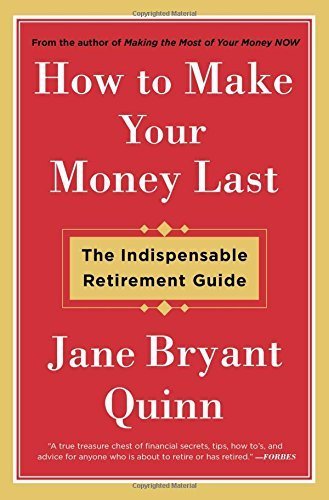
How to Make Your Money Last by Jane Bryant Quinn is a practical retirement guide for making your savings last throughout your later years. It covers smart withdrawal strategies, Social Security, investments, taxes, healt...
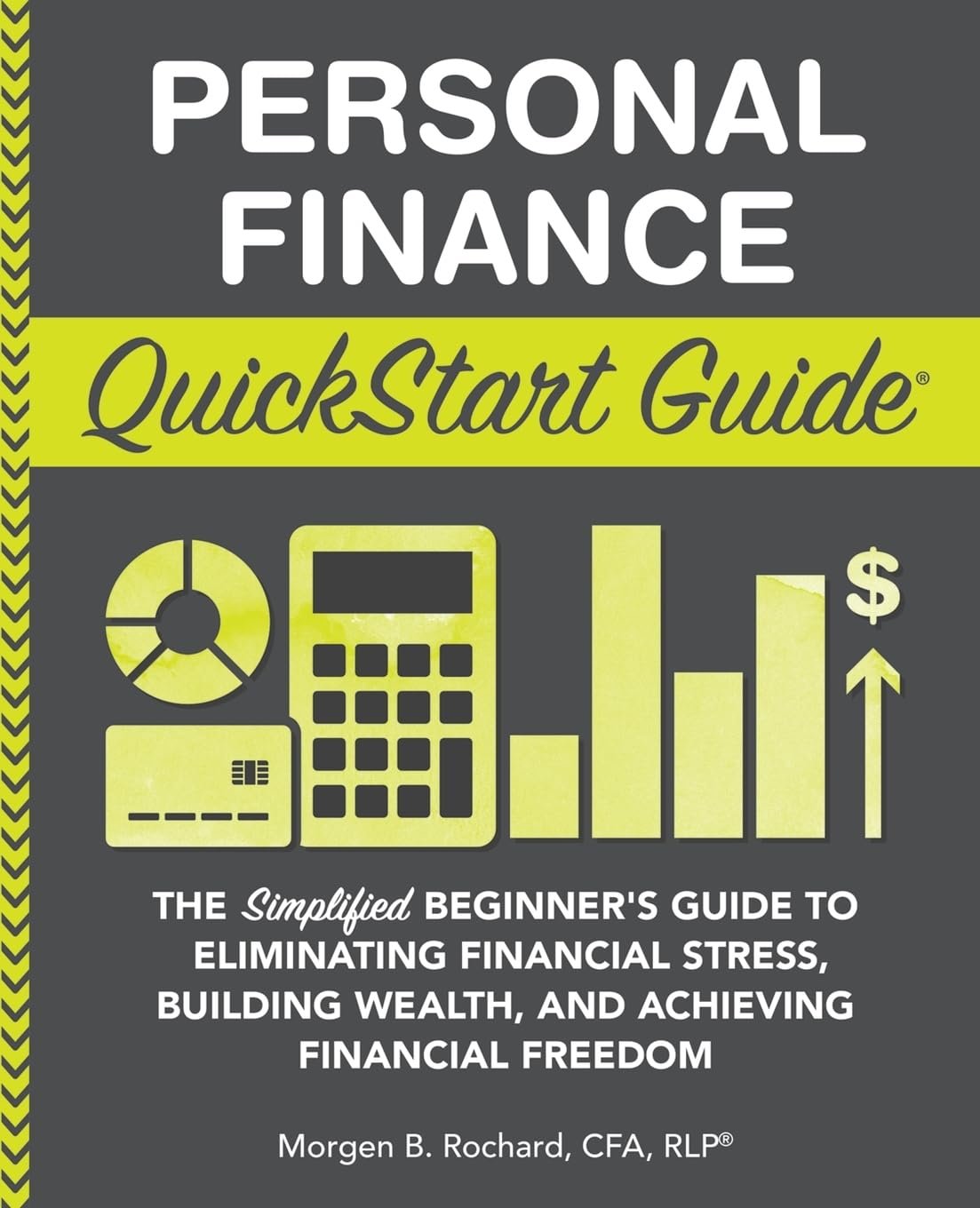
Personal Finance QuickStart Guide is a beginner-friendly resource for taking control of your money. It covers budgeting, debt reduction, saving, investing, wealth building, and financial planning, offering simple strateg...
Credit Card Debt
Credit cards can require more frequent tracking because the balance may change when new purchases are made.
If your goal is debt reduction, consider recording:
- Statement balance
- Current balance
- APR
- Minimum payment
- Due date
- New purchases
- Extra payment
- Promotional-rate expiration
- Final payoff date
If you continue making new purchases on an account while trying to pay it down, your planner should make that activity visible.
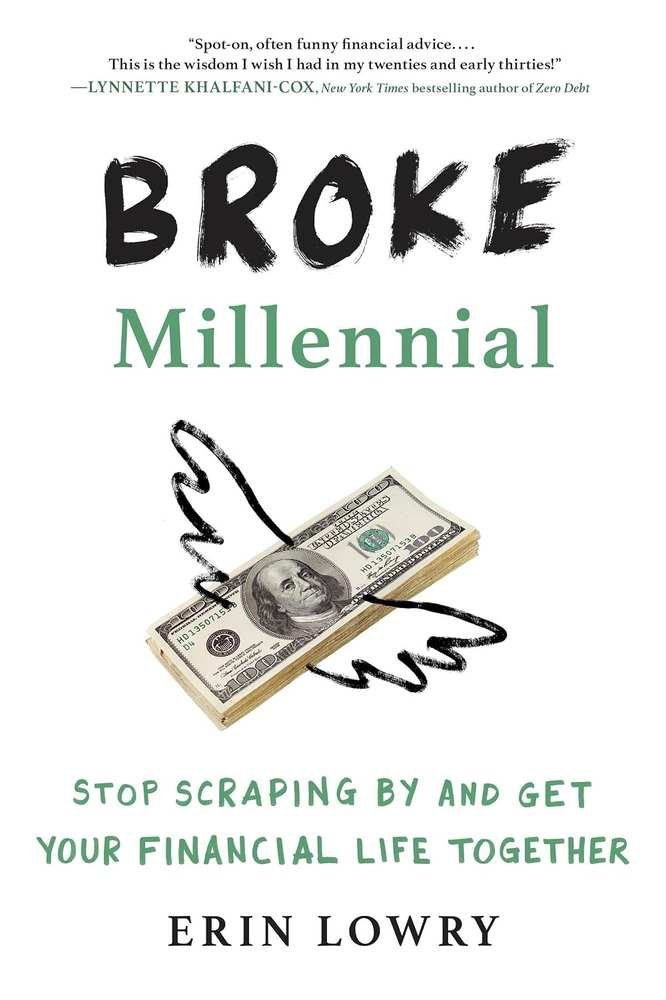
Broke Millennial by Erin Lowry is a practical, approachable guide to getting your finances under control. It covers budgeting, saving, debt, credit, investing, and money conversations, helping young adults build better f...
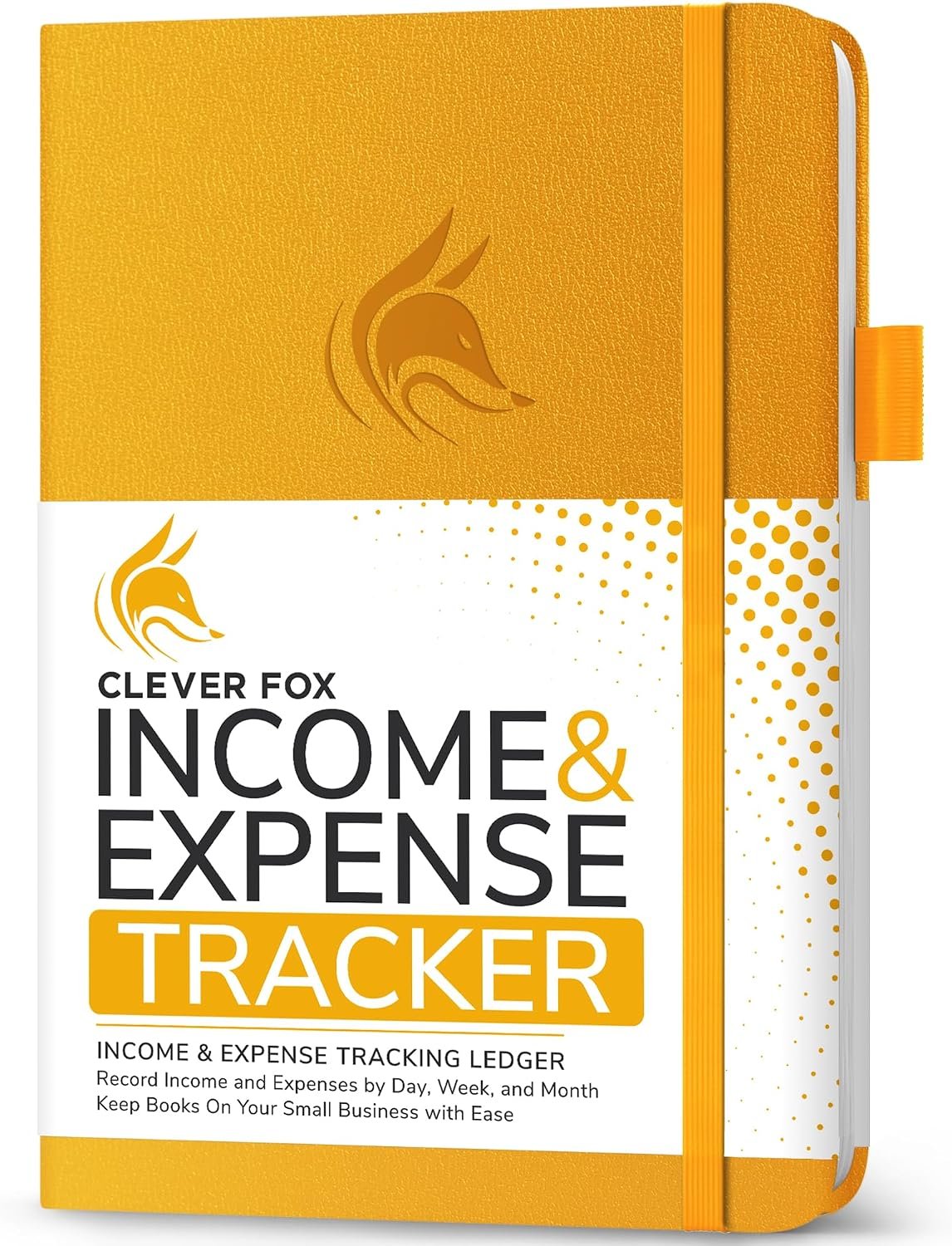
The Clever Fox Income & Expense Tracker is a practical business ledger for organizing finances and monitoring cash flow. Its 5.8" x 8.3" format provides space to record income and expenses by day, week, and month, making...
Personal Loans
Personal loans are often easier to track because they may have fixed payment schedules, but you should still record:
- Original loan amount
- Current balance
- Interest rate
- Minimum payment
- Due date
- Remaining term, if available
- Extra payments
- Any applicable prepayment terms
Always check the current loan agreement before making assumptions about how extra payments are applied or whether there are any applicable prepayment terms.
The GoGirl Budget Planner & Monthly Bill Organizer helps you take control of your finances with monthly budget pages, expense and debt trackers, savings goals, bill organizers, and receipt pockets. Its practical layout m...

Ramit Sethi’s 2-book collection combines practical personal-finance guidance with an interactive journal. I Will Teach You to Be Rich, 2nd Edition covers spending, saving, investing, banking, debt, and building a financi...
Managing Multiple Debts
Multiple debts are where a dedicated planner can become particularly useful.
Instead of keeping information across several statements, you can create one master debt list.
| Debt | Best For | What to Track |
|---|---|---|
| Credit card | Revolving debt | Balance, APR, minimum, due date |
| Personal loan | Fixed installment debt | Balance, rate, payment, term |
| Student loan | Education debt | Balance, rate, payment, servicer |
You can then create a second page for your repayment method.
This separates what you owe from how you intend to repay it .
Broke Millennial by Erin Lowry is a practical, approachable guide to getting your finances under control. It covers budgeting, saving, debt, credit, investing, and money conversations, helping young adults build better f...
Money for Couples by Ramit Sethi offers a practical 10-step plan to help couples manage money without stress or fights. It covers spending, saving, debt, investing, and shared financial goals, helping partners build bett...
Household Debt Planning
A household planner can track:
- Individual debts
- Joint debts
- Household minimum payments
- Individual contributions
- Shared extra payments
- Monthly household income
- Essential expenses
- Debt milestones
- Emergency savings goals
The goal is not to make every account identical. The goal is to create one accurate picture of the household's obligations.
Money for Couples by Ramit Sethi offers a practical 10-step plan to help couples manage money without stress or fights. It covers spending, saving, debt, investing, and shared financial goals, helping partners build bett...
Ramit Sethi’s 2-book collection combines practical personal-finance guidance with an interactive journal. I Will Teach You to Be Rich, 2nd Edition covers spending, saving, investing, banking, debt, and building a financi...
When Can a Physical Debt Planner Help?
A physical planner may be useful if you:
- Prefer writing things down
- Want a dedicated place for debt information
- Find financial apps distracting
- Like visual progress trackers
- Want to review finances with a partner
- Need a simple system without learning new software
The Clever Fox Income & Expense Tracker is a practical business ledger for organizing finances and monitoring cash flow. Its 5.8" x 8.3" format provides space to record income and expenses by day, week, and month, making...
Ramit Sethi’s 2-book collection combines practical personal-finance guidance with an interactive journal. I Will Teach You to Be Rich, 2nd Edition covers spending, saving, investing, banking, debt, and building a financi...
When a Digital Tool May Be Better
A spreadsheet or digital financial tool may be more practical if you:
- Have many accounts
- Want automatic calculations
- Need frequent updates
- Want to sort debts by interest rate
- Want charts or formulas
- Share information remotely with a partner
- Already manage finances digitally
The Clever Fox Income & Expense Tracker is a practical business ledger for organizing finances and monitoring cash flow. Its 5.8" x 8.3" format provides space to record income and expenses by day, week, and month, making...
How to Make Your Money Last by Jane Bryant Quinn is a practical retirement guide for making your savings last throughout your later years. It covers smart withdrawal strategies, Social Security, investments, taxes, healt...
Debt Payoff Planner Buying Criteria
Enough Debt-Tracking Space
A planner designed for one or two debts may become frustrating if you have six accounts. Count the number of debt-tracking sections before buying.
APR and Balance Fields
Look for dedicated fields for balances and interest rates.
Minimum Payment Tracking
Make sure you can record the required payment separately from your extra payment.
Due-Date Organization
A calendar or recurring bill section can help you see upcoming obligations.
Progress Tracking
Some people benefit from visual milestones. Others prefer simple numbers. Choose the format you are most likely to update.
Monthly Review Pages
A monthly review can help you compare beginning debt, payments made, new debt and ending debt.
Privacy
A physical planner may contain sensitive financial information. Consider where you will store it and avoid recording unnecessary information such as full account numbers, passwords or security codes.
Broke Millennial by Erin Lowry is a practical, approachable guide to getting your finances under control. It covers budgeting, saving, debt, credit, investing, and money conversations, helping young adults build better f...
The SKYDUE Budget Binder is a practical cash-management tool designed to make budgeting easier. With zipper envelopes, cash envelopes, and expense budget sheets, it helps you organize bills, track spending, set savings g...
Recommended Product Types by Use Case
| Option | Best For | What to Look For |
|---|---|---|
| Debt payoff planner | Focused debt repayment | Debt fields, APR, minimum payments and progress tracking |
| Budget binder | Household money organization | Budget sheets, bill tracking and reusable sections |
| Financial workbook | Readers who want guided exercises | Step-by-step prompts and financial worksheets |
| Expense tracker | People who need spending visibility | Daily or monthly expense categories |
| Cash-envelope system | People who prefer cash-based budgeting | Durable envelopes, labels and reusable categories |
The GoGirl Budget Planner & Monthly Bill Organizer helps you take control of your finances with monthly budget pages, expense and debt trackers, savings goals, bill organizers, and receipt pockets. Its practical layout m...
How to Make Your Money Last by Jane Bryant Quinn is a practical retirement guide for making your savings last throughout your later years. It covers smart withdrawal strategies, Social Security, investments, taxes, healt...
Debt Payoff Planners
Best for: People whose primary goal is reducing outstanding balances.
Key features to look for:
- Debt inventory pages
- APR fields
- Minimum payment fields
- Due-date tracking
- Extra-payment tracking
- Payoff progress
- Monthly review pages
Important limitations: A planner does not automatically calculate every interest scenario, update account balances or account for changes in your financial situation.
Who should consider it: Someone who wants a dedicated physical system for debt reduction.
Who may want an alternative: Someone with many accounts who wants automatic calculations may be better served by a spreadsheet or digital financial tool.
Budget Binders
Best for: Households that want budgeting and debt planning in one physical system.
Key features to look for:
- Monthly budget pages
- Bill trackers
- Expense categories
- Debt sections
- Savings trackers
- Reusable or replaceable pages
Important limitations: A large binder can become cumbersome, especially if you only need debt tracking.
Who should consider it: Families or couples managing several financial categories.
Who may want an alternative: Someone who only needs a debt payoff schedule may prefer a smaller workbook.
Financial Workbooks
Best for: Beginners who need more guidance than blank tracking pages provide.
Key features to look for:
- Guided exercises
- Goal-setting pages
- Debt worksheets
- Budget worksheets
- Monthly reviews
- Financial checklists
Important limitations: Some workbooks emphasize education rather than ongoing tracking.
Who should consider it: Someone building a financial system from scratch.
Who may want an alternative: Experienced budgeters who only need a simple debt ledger.
Expense Trackers
Best for: People who need to understand where their money is going before deciding how much extra debt payment they can afford.
Key features to look for:
- Daily expense entries
- Monthly summaries
- Category tracking
- Income sections
- Recurring expense tracking
Important limitations: An expense tracker does not automatically create a debt payoff strategy.
Who should consider it: Anyone whose debt problem is closely connected to inconsistent spending.
Who may want an alternative: Someone who already has a clear budget and only needs debt-balance tracking.
Cash-Envelope Systems
Best for: People who prefer a physical approach to controlling discretionary spending.
Key features to look for:
- Clearly labeled envelopes
- Multiple categories
- Durable construction
- Budget worksheets
- Reusable labels or inserts
Important limitations: Cash envelopes are less practical for expenses that are normally paid electronically, such as many subscriptions, utilities or online purchases.
Who should consider it: People who find physical spending limits easier to follow.
Who may want an alternative: Anyone who primarily uses cards or digital payments and wants automated tracking.
This Cash Envelope Wallet is an all-in-one budgeting system designed to organize spending and savings. It includes 12 tabbed envelopes, monthly budget cards, and a yearly planner sheet. With RFID blocking and a compact d...
The SKYDUE Budget Binder is a practical cash-management tool designed to make budgeting easier. With zipper envelopes, cash envelopes, and expense budget sheets, it helps you organize bills, track spending, set savings g...
How to Choose the Right Debt Planner
One or Two Debts
A simple debt tracker may be enough. You probably do not need a large financial binder if you only have one credit card and one personal loan.
Three to Five Debts
A dedicated debt payoff planner can make the repayment order and monthly progress easier to manage. Look for enough space to track each account separately.
Several Household Debts
Consider a larger budget binder or combined financial workbook. You may want separate sections for household budget, debt, bills, savings, tax documents and financial goals.
If you also need to organize financial documents for tax season, CoreAdorn's guide to tax organizers for U.S. households can help you evaluate the document-storage side of financial organization.
Money for Couples by Ramit Sethi offers a practical 10-step plan to help couples manage money without stress or fights. It covers spending, saving, debt, investing, and shared financial goals, helping partners build bett...
Personal Finance QuickStart Guide is a beginner-friendly resource for taking control of your money. It covers budgeting, debt reduction, saving, investing, wealth building, and financial planning, offering simple strateg...
How to Use a Debt Planner Each Month
- Update Your Balances. Record the current balance for each debt.
- Confirm Minimum Payments. Check each statement or account.
- Check Due Dates. Make sure the calendar reflects any changes.
- Review Interest Rates. Update APR information when it changes.
- Set Your Extra Payment. Determine what additional amount you can reasonably direct toward your chosen target.
- Make the Payments. Use your lender or creditor's current payment instructions.
- Record the Results. Update your balances and note the amount of progress.
- Review the Month. Consider whether the plan still fits your income, expenses and obligations.
Money for Couples by Ramit Sethi offers a practical 10-step plan to help couples manage money without stress or fights. It covers spending, saving, debt, investing, and shared financial goals, helping partners build bett...
Personal Finance QuickStart Guide is a beginner-friendly resource for taking control of your money. It covers budgeting, debt reduction, saving, investing, wealth building, and financial planning, offering simple strateg...
Common Debt Planning Mistakes
Tracking Only the Balance
A balance without an interest rate or minimum payment does not give you the full picture.
Forgetting New Charges
This is especially relevant with credit cards. If you add new purchases while making payments, record them separately.
Using Outdated APR Information
Interest rates can change. Check your current statement or account information.
Ignoring Due Dates
A debt payoff strategy does not replace basic bill management. Keep required payments on schedule.
Making an Aggressive Payment You Cannot Sustain
A large one-time payment may feel productive, but a repayment plan needs to work with your regular cash flow.
Treating a Planner as a Debt Solution
A planner can organize information. It cannot lower an interest rate, eliminate debt or solve an income shortfall by itself.
Recording Sensitive Information
Do not write passwords, PINs, full account numbers or security answers in a physical planner.
The Clever Fox Income & Expense Tracker is a practical business ledger for organizing finances and monitoring cash flow. Its 5.8" x 8.3" format provides space to record income and expenses by day, week, and month, making...
The GoGirl Budget Planner & Monthly Bill Organizer helps you take control of your finances with monthly budget pages, expense and debt trackers, savings goals, bill organizers, and receipt pockets. Its practical layout m...
When a Planner Is Not Enough
Consider getting additional help if:
- You cannot make minimum payments
- Your accounts are already in collections
- You are receiving collection notices
- You are considering debt settlement
- You are considering bankruptcy
- Your household cannot cover essential expenses
- You do not understand the terms of your loans
- Your debt situation involves legal issues
Be cautious of debt-relief companies that guarantee results, demand upfront fees or tell you to stop communicating with creditors.
This Cash Envelope Wallet is an all-in-one budgeting system designed to organize spending and savings. It includes 12 tabbed envelopes, monthly budget cards, and a yearly planner sheet. With RFID blocking and a compact d...
Get Good with Money: Ten Simple Steps to Becoming Financially Whole offers a practical, step-by-step approach to managing money. It covers budgeting, saving, debt, credit, investing, and building financial confidence. Th...
Who Should Buy a Debt Payoff Planner?
- People who want a dedicated place to organize debt
- People who prefer pen-and-paper planning
- People with several balances to track
- People who want visible payoff milestones
- Couples who review finances together
- People who need a simple monthly routine
- People who want to combine debt tracking with budgeting
Personal Finance QuickStart Guide is a beginner-friendly resource for taking control of your money. It covers budgeting, debt reduction, saving, investing, wealth building, and financial planning, offering simple strateg...
The SKYDUE Budget Binder is a practical cash-management tool designed to make budgeting easier. With zipper envelopes, cash envelopes, and expense budget sheets, it helps you organize bills, track spending, set savings g...
Who Should Skip It?
You may not need a physical planner if you already have a spreadsheet that works, prefer financial apps, have only one simple debt, rarely update paper records, need automatic calculations or want real-time account synchronization.
The objective is not to own a planner. The objective is to maintain an accurate repayment system.
Personal Finance QuickStart Guide is a beginner-friendly resource for taking control of your money. It covers budgeting, debt reduction, saving, investing, wealth building, and financial planning, offering simple strateg...
The SKYDUE Budget Binder is a practical cash-management tool designed to make budgeting easier. With zipper envelopes, cash envelopes, and expense budget sheets, it helps you organize bills, track spending, set savings g...
Alternatives to a Physical Debt Planner
Spreadsheet
A spreadsheet can be excellent for people who want formulas, sorting and customized calculations.
Budgeting Software
Digital budgeting tools may be more convenient if you want expenses and accounts organized electronically.
Free Government Worksheets
The CFPB provides consumer-oriented debt-reduction worksheets that can be used without purchasing a physical planner.
Credit Counseling
If organizing your finances is not enough, a legitimate credit counseling organization may help you understand your options.
Professional Financial Advice
For complicated financial situations, individualized advice may be appropriate.
Broke Millennial by Erin Lowry is a practical, approachable guide to getting your finances under control. It covers budgeting, saving, debt, credit, investing, and money conversations, helping young adults build better f...
This Cash Envelope Wallet is an all-in-one budgeting system designed to organize spending and savings. It includes 12 tabbed envelopes, monthly budget cards, and a yearly planner sheet. With RFID blocking and a compact d...
Common Questions About Debt Payoff Planners
Is a debt payoff planner worth buying?
It depends on how you manage money. A planner can be worthwhile if writing down balances, due dates and progress helps you stay consistent. It may not add much value if you already maintain an accurate spreadsheet or financial app. The key benefit is organization and accountability, not a special debt-reduction formula.
Should I use the debt snowball or debt avalanche?
Both are established ways to prioritize extra debt payments. Snowball focuses on the smallest balance, while avalanche focuses on the highest interest rate. Snowball may provide quicker visible milestones; avalanche may reduce the most expensive interest first. Compare both against your debts, cash flow and ability to stay consistent rather than assuming one method fits everyone.
What should I track in a debt planner?
At minimum, track the creditor, current balance, interest rate or APR, minimum payment, payment due date and extra payment. It is also useful to record the beginning and ending balance each month so you can see whether total debt is actually declining.
Can a debt planner help with credit card debt?
Yes. A planner can help you track credit-card balances, APRs, minimum payments, due dates and additional payments. However, it will not prevent new charges or change the terms of the account. If you are having difficulty making minimum payments, contact the card issuer and consider whether credit counseling is appropriate.
Can I use a debt payoff planner for personal loans?
Yes. Record the current balance, interest rate, payment amount, due date and remaining term if available. Also check the loan agreement before making assumptions about how extra payments are applied or whether there are any applicable prepayment terms.
Should couples use one debt planner?
A shared planner can be useful when both partners are actively involved in household finances. It can provide one view of joint obligations while still allowing you to identify debts that belong to each individual. Agree on how often you will review it and who is responsible for updating each section.
Is a debt payoff planner financial advice?
No. A planner is an organizational tool. It can help you record financial information and follow a repayment plan, but it does not evaluate your entire financial situation or provide individualized financial, tax or legal advice.
What if I cannot afford my minimum payments?
Do not rely on a planner alone. Contact the creditor promptly and explain your situation. Depending on your circumstances, credit counseling or other forms of professional assistance may be worth exploring. Be cautious of debt-relief companies that guarantee results, demand upfront fees or tell you to stop communicating with creditors.
The Clever Fox Income & Expense Tracker is a practical business ledger for organizing finances and monitoring cash flow. Its 5.8" x 8.3" format provides space to record income and expenses by day, week, and month, making...
How to Make Your Money Last by Jane Bryant Quinn is a practical retirement guide for making your savings last throughout your later years. It covers smart withdrawal strategies, Social Security, investments, taxes, healt...
Final Thoughts
A debt payoff planner does not make the financial decision for you. Its value is simpler: it gives you a place to see the numbers, organize the payments and measure progress.
Start with an accurate list of what you owe. Record the balances, interest rates, minimum payments and due dates. Then choose a repayment approach you understand and can realistically maintain.
If you are still learning the fundamentals of money management, the CoreAdorn guide to personal finance books for beginners can provide additional educational resources.
For the wider collection of budgeting, investing, retirement, career and productivity resources, return to the CoreAdorn Personal Finance & Career hub .
A useful planner is not the one with the most pages. It is the one that makes your debt easier to understand and your next payment easier to plan.
Personal Finance QuickStart Guide is a beginner-friendly resource for taking control of your money. It covers budgeting, debt reduction, saving, investing, wealth building, and financial planning, offering simple strateg...
The SKYDUE Budget Binder is a practical cash-management tool designed to make budgeting easier. With zipper envelopes, cash envelopes, and expense budget sheets, it helps you organize bills, track spending, set savings g...
CoreAdorn is reader-supported. When you buy through links on our site, we may earn an affiliate commission.
0 Comments
Be the first to comment.
Leave a comment
Please use kind words and keep your comment on topic. Comments are reviewed by the CoreAdorn team before they appear.