
A Guide for Smarter Training
You finished yesterday's workout. Your legs are tired, your training load is high, and today's session is already on the calendar. The real question isn't how many hours you slept. It's whether your body is ready for another hard effort. Compare WHOOP, Garmin, Oura, Apple Watch, Ultrahuman and Fitbit for HRV, resting heart rate, recovery, training readiness, sleep debt, strain and training load, and learn which wearable fits the way you train.
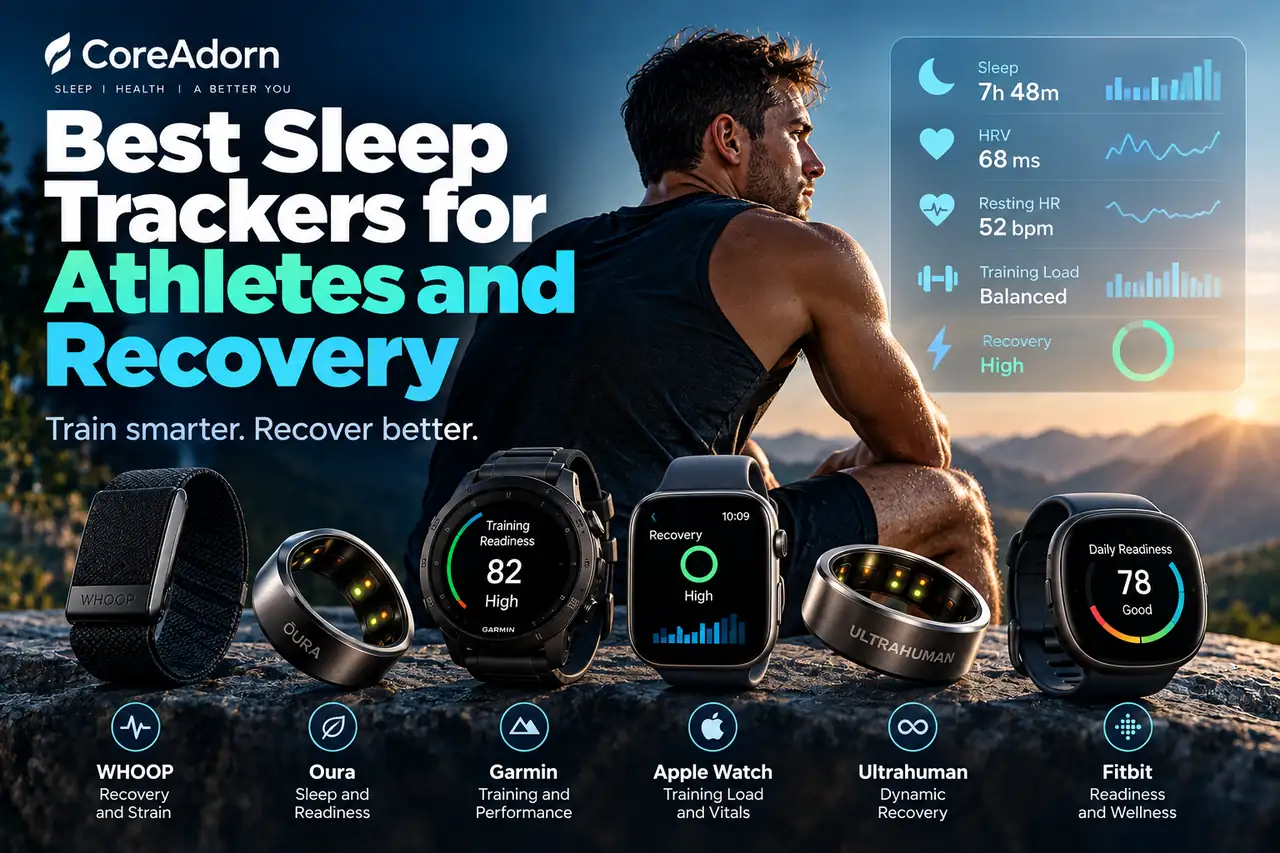
If you train regularly, sleep tracking is only part of the picture.
The more useful question is not simply, "How well did I sleep last night?" It is:
"Am I recovered enough to train hard today?"
That changes what you should look for in a wearable.
A general sleep tracker may tell you that you slept seven hours and spent a certain amount of time in REM or deep sleep. An athlete needs more context. You want to know how your recent training load is affecting your body, whether your heart rate and HRV are moving away from baseline, whether you are carrying sleep debt, how much strain you have accumulated and whether your recovery trend supports another hard session.
That is why this guide focuses on HRV, resting heart rate, recovery, training readiness, sleep debt, training load, strain, stress and long-term trends.
We'll compare WHOOP, Oura, Garmin, Apple Watch, Ultrahuman and Fitbit, but the goal is not to declare one universal winner. A marathon runner, strength athlete, CrossFit athlete and recreational cyclist may need very different information from the same wearable.
Quick Answer: What Is the Best Sleep Tracker for Athletes?
| Device | Sleep and recovery role | Training role |
|---|---|---|
| WHOOP | Built around sleep, Recovery, HRV, resting heart rate, stress and recovery trends | Strong focus on Strain, daily capacity and adjusting training to recovery |
| Oura | Excellent for sleep, HRV, resting heart rate, temperature and Readiness trends | Useful for balancing activity and recovery, but less training-centric than a dedicated sports watch |
| Garmin | Connects sleep, HRV, stress and recovery with training data | Strong training ecosystem with Training Readiness, acute load, recovery time and training status |
| Apple Watch | Sleep, overnight Vitals and newer Readiness features | Training Load connects recent workout effort with recovery-related information |
| Ultrahuman | Sleep Index and Dynamic Recovery combine sleep, HRV, resting heart rate, temperature and stress rhythm | Useful for recovery-focused users who prefer a smart ring rather than a sports watch |
| Fitbit | Sleep, HRV, resting heart rate and Daily Readiness | More wellness-oriented than dedicated endurance or performance training platforms |
The short version: WHOOP is designed around the recovery-to-training feedback loop. Garmin is particularly useful when you want recovery information tightly connected to structured sports training. Oura and Ultrahuman are compelling if sleep and recovery are more important than detailed workout analytics. Apple Watch offers a broad training and health ecosystem, especially for iPhone users. Fitbit is better suited to people who want readiness and wellness information without building their entire training system around it.
What Athletes Actually Need From a Sleep Tracker
An athlete should not buy a wearable because it displays the largest number of sleep metrics.
You need a device that helps answer four practical questions:
- How well did I recover from yesterday?
- How much stress or training load am I carrying?
- Is my body showing signs that I should modify today's workout?
- Is my recovery improving or deteriorating over several weeks?
This is the difference between sleep tracking and recovery tracking .
Sleep is an input into recovery. It is not the entire recovery picture.
When you buy through links on our site, we may earn an affiliate commission at no extra cost to you. This helps support our work.
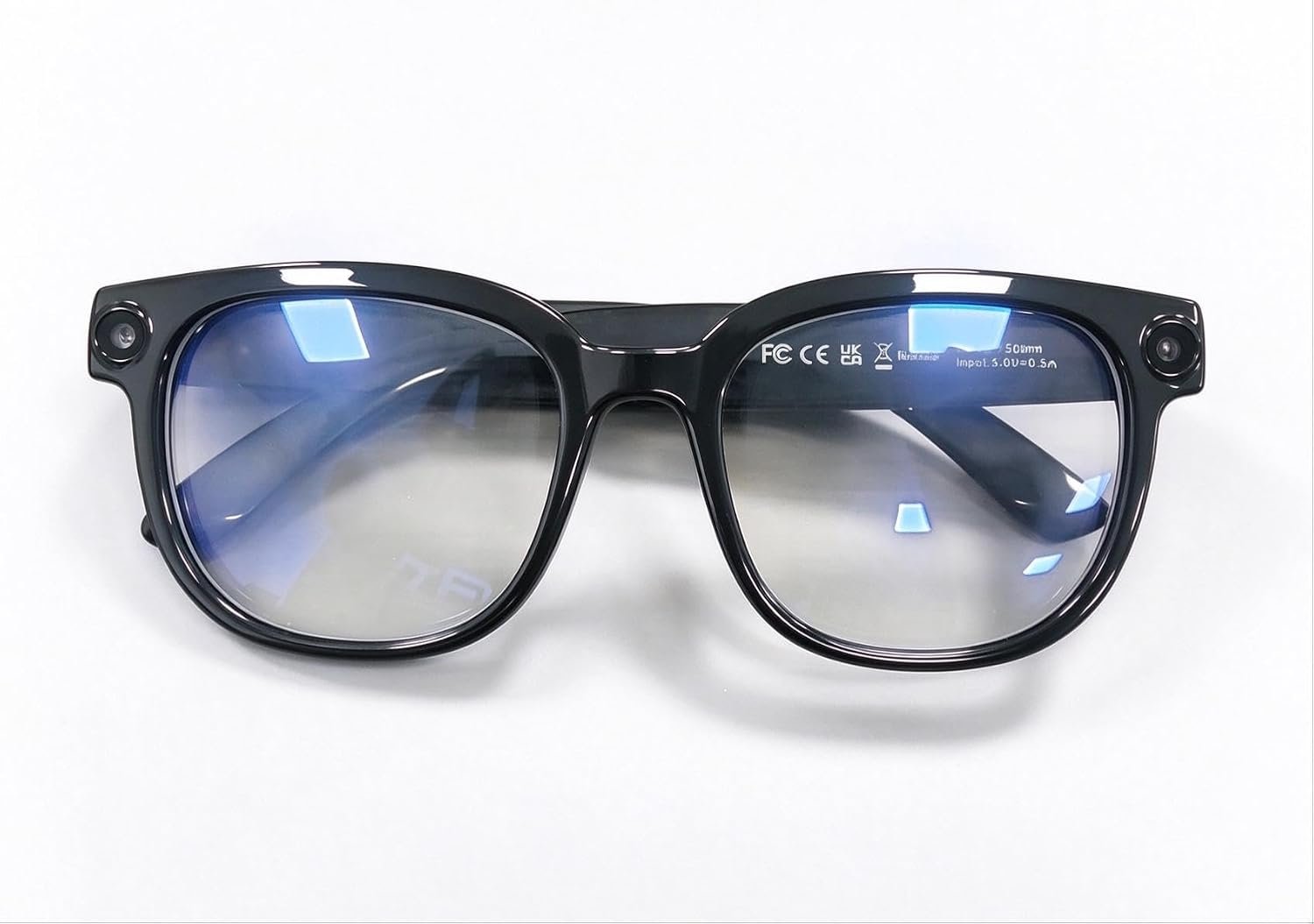
AI Smart Glasses feature a built-in camera with 4K anti-shake video, open-ear audio, transition lenses, and object recognition. Designed for everyday use, they combine hands-free photography, clear calls, smart visual as...
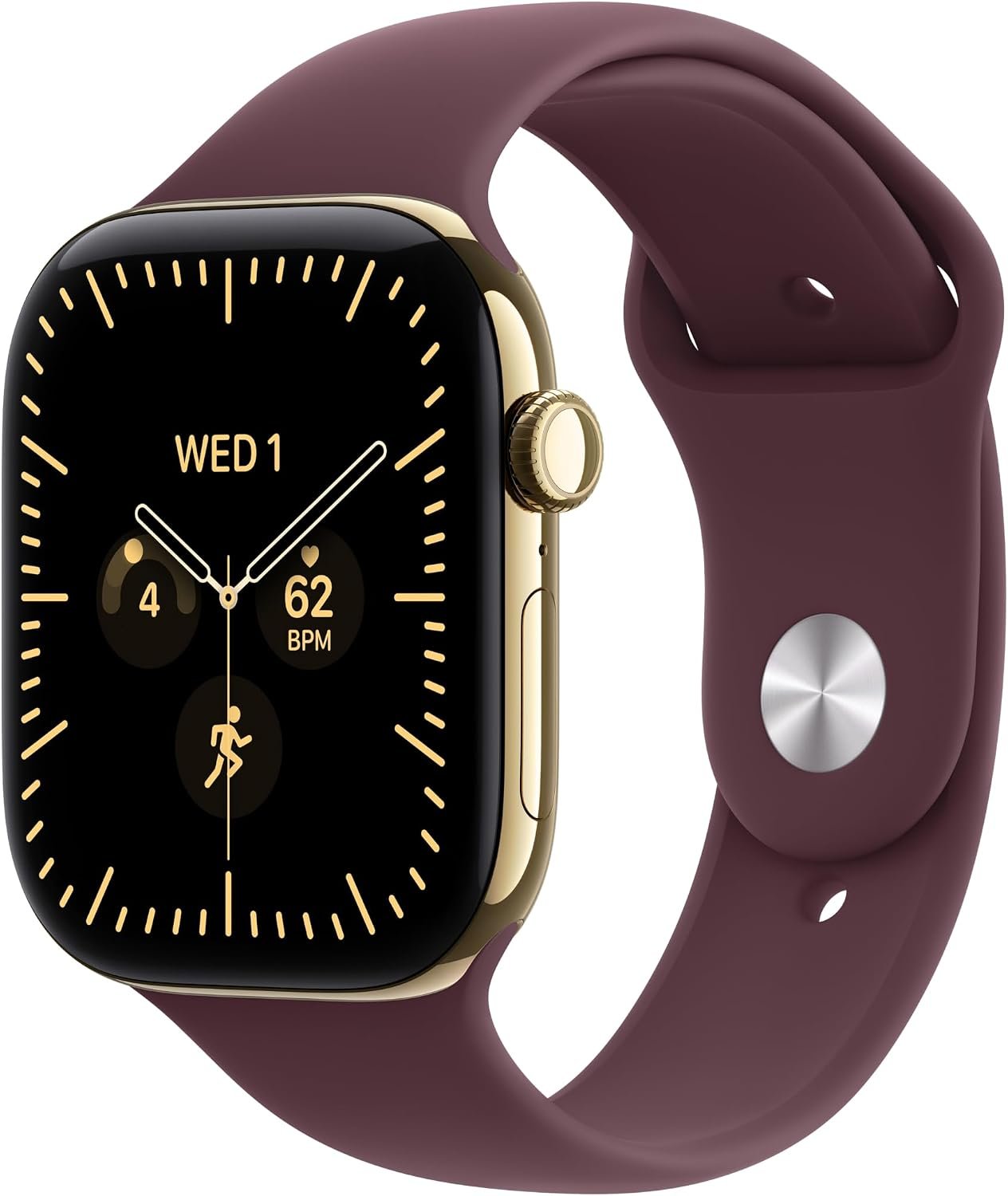
For U.S. buyers seeking a versatile everyday smartwatch, Apple Watch Series 12 GPS + Cellular offers a large 46mm display with health, fitness, sleep and safety features. Track heart rate, activity and workouts while sta...
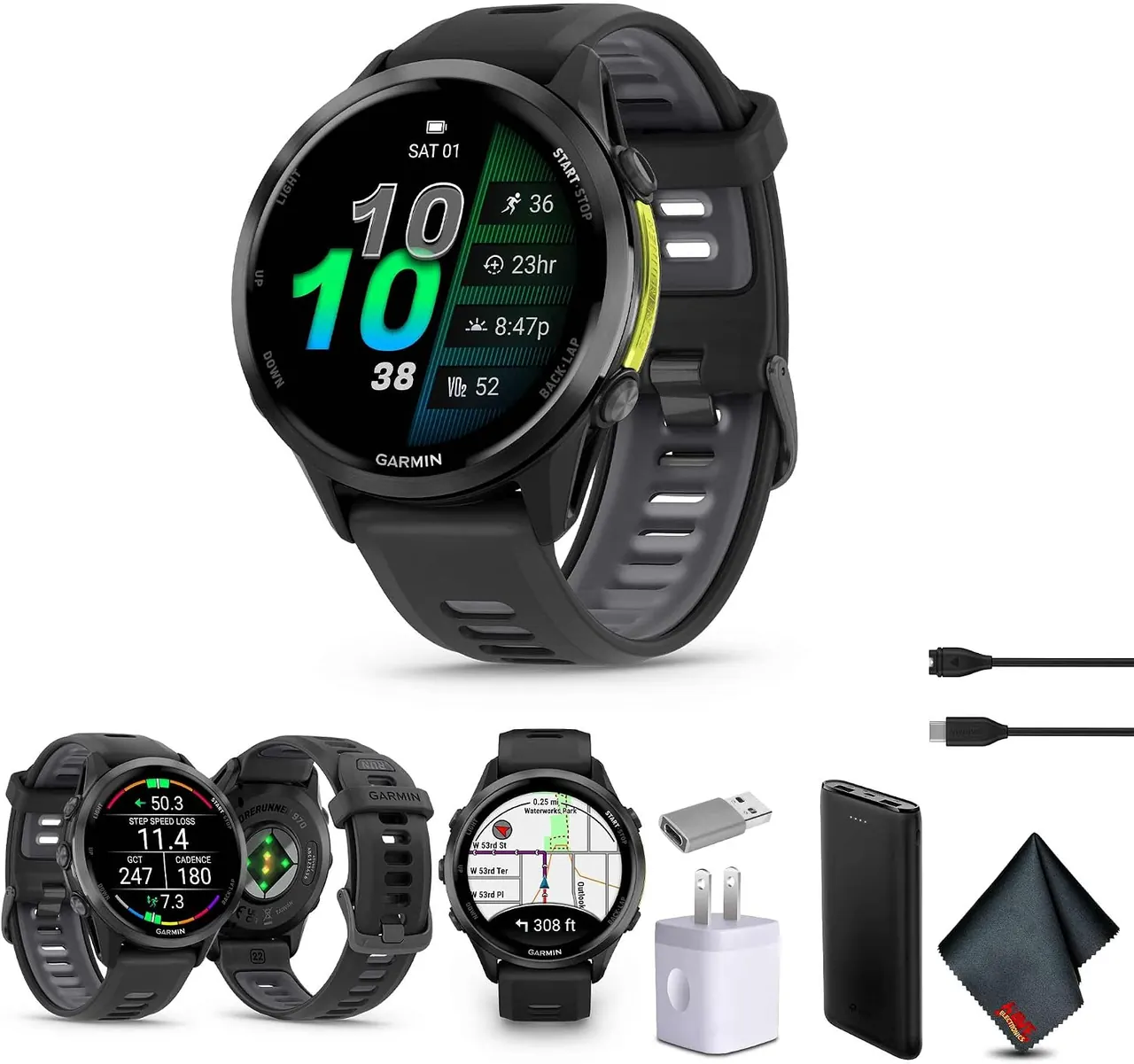
Garmin Forerunner 970 is a premium running smartwatch designed for serious runners and endurance athletes. It combines advanced training metrics, GPS, recovery and health tracking with performance insights to help you mo...
Sleep Quality Is Not the Same as Training Readiness
You can sleep eight hours and still have a poor recovery day.
Imagine that you completed a hard interval workout yesterday, ate late, had a stressful workday and went to bed with an elevated resting heart rate. You may technically have slept eight hours, but your body may not be responding as it normally does.
The opposite can also happen. You might get a slightly shorter night of sleep but wake up with HRV close to your baseline, normal resting heart rate and manageable recent training load.
This is why athlete-focused wearables combine several signals rather than relying on sleep duration alone.
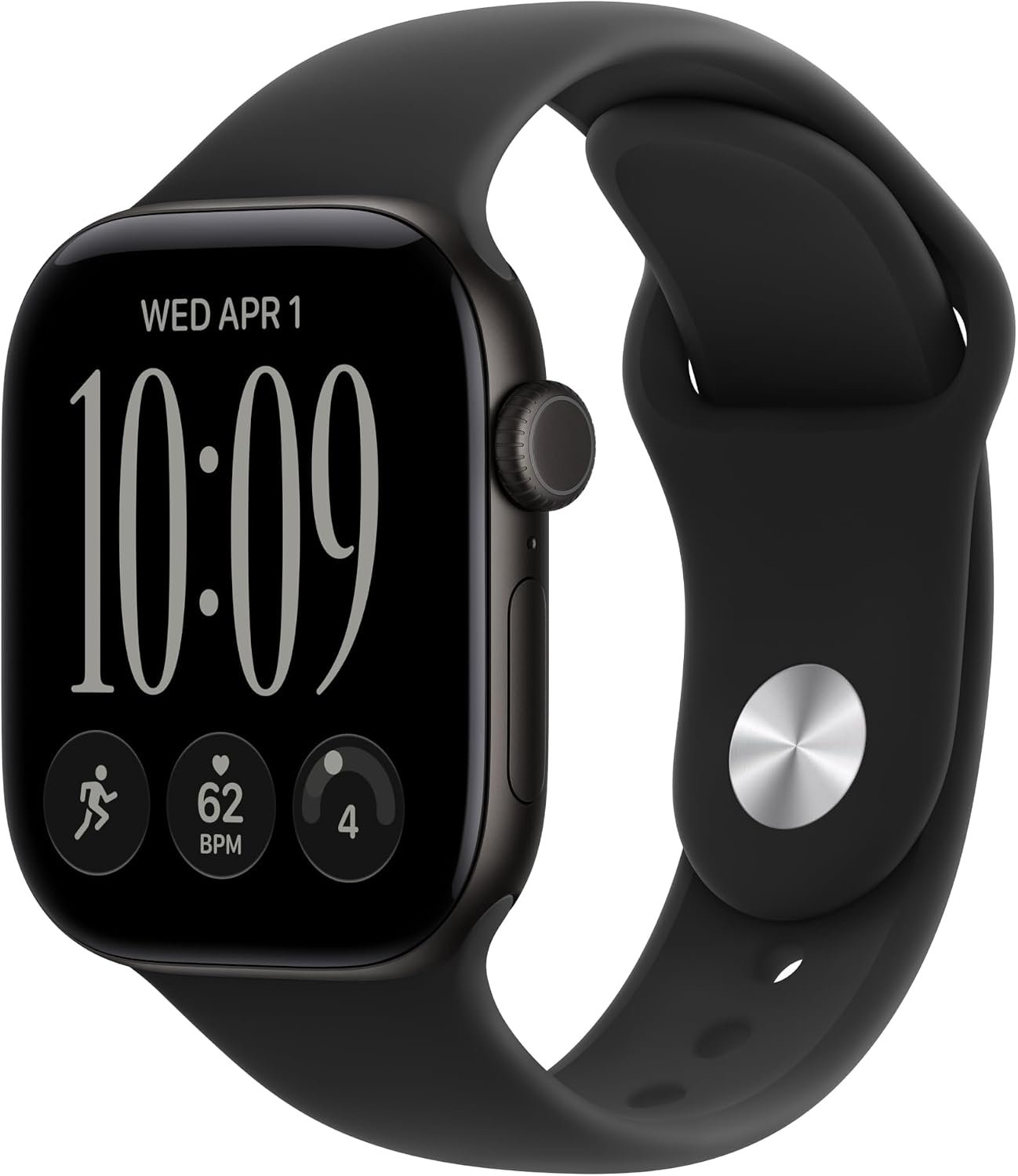
For U.S. buyers who want premium health and fitness tracking in a refined design, Apple Watch Series 10 pairs a 46mm gold titanium case with a Gold Milanese Loop. Track sleep, heart rate, workouts and activity, with ECG...
Garmin Forerunner 970 is a premium running smartwatch designed for serious runners and endurance athletes. It combines advanced training metrics, GPS, recovery and health tracking with performance insights to help you mo...
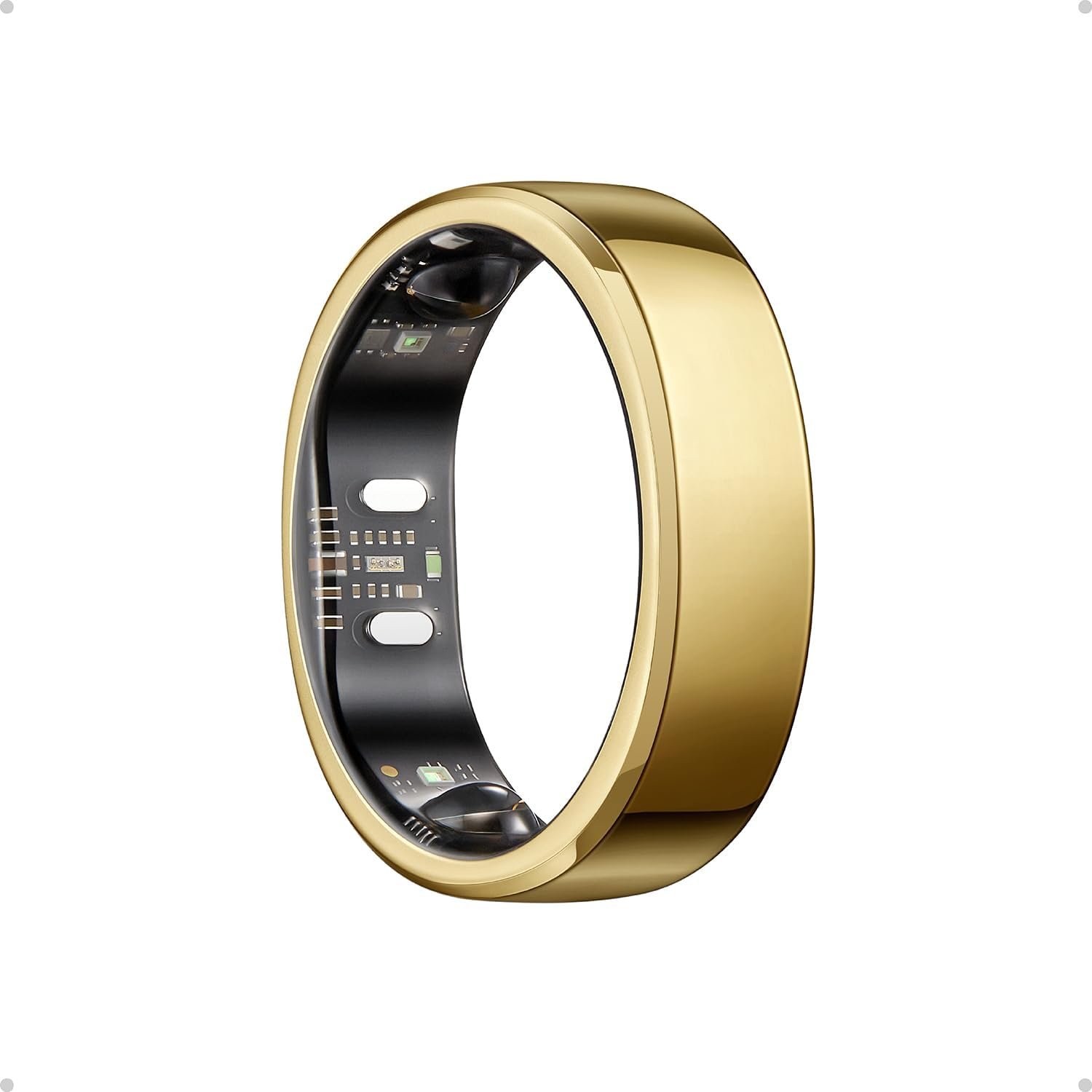
Oura Ring 5 combines a sleek gold design with discreet, continuous health tracking. Monitor sleep, heart rate, HRV, activity, recovery and temperature trends to better understand your body and make smarter decisions abou...
The Recovery Metrics That Matter Most
1. HRV
Heart rate variability measures the variation in time between heartbeats. For athletes, the useful number is usually not whether your HRV is "high" compared with another person.
What matters more is how your HRV compares with your own baseline and recent trend .
A sustained drop from your normal range can coincide with heavy training, poor sleep, psychological stress, illness, alcohol or other forms of physiological stress. A return toward your normal range can be one indication that your body is handling the current load better.
That does not mean a low HRV automatically means "do not train." HRV is one signal among several.
For athletes, the better question is:
"Is my HRV behaving differently from what is normal for me, and does that change agree with my sleep, resting heart rate, training load and how I feel?"
2. Resting Heart Rate
Your resting heart rate can provide another useful recovery signal.
If your overnight resting heart rate is consistently higher than your normal baseline, it may be worth investigating what changed. Hard training, insufficient recovery, stress, alcohol, illness, late meals and other factors can influence resting heart rate.
Again, there is no universal "perfect" resting heart rate for athletes.
Your own baseline is much more useful than comparing your number with someone else's.
3. Recovery Score
A recovery score turns several measurements into a simpler daily signal.
WHOOP, Oura, Ultrahuman, Garmin and Fitbit all use different approaches to recovery or readiness. Their scores should not be treated as interchangeable.
A WHOOP Recovery score of 70 and an Oura Readiness score of 70 do not mean exactly the same thing.
The value of these scores is that they summarize a collection of measurements and put them into the context of your own history.
4. Training Readiness
Training readiness moves the question one step closer to performance.
Instead of asking whether you are generally healthy, it asks whether your recent combination of sleep, recovery and training load supports another training stimulus.
Garmin's Training Readiness, for example, considers sleep, recovery time, HRV status, acute training load, recent sleep history and stress history on compatible devices.
5. Sleep Debt
A single short night is not necessarily a problem.
Repeated short nights are different.
Sleep debt helps show the accumulation of insufficient sleep relative to your estimated sleep requirement. This is particularly relevant during high-volume training blocks when your sleep requirement can change as your training load increases.
WHOOP, for example, incorporates recent strain and sleep history when determining sleep need and sleep-related guidance.
6. Training Load
Training load is the missing piece in many basic sleep trackers.
Recovery without knowing what you have been asking your body to do is difficult to interpret.
A low HRV after an easy week means something different from a low HRV after three hard workouts, a long race and a strength session.
That is why athlete-oriented systems connect physiological recovery with recent training load.
7. Strain
WHOOP uses the term Strain to describe physiological load. Its Strain scale runs from 0 to 21 and is designed to represent the amount of stress placed on the body.
Strain is useful because it gives you a way to connect what you did yesterday with how you recovered afterward.
The important insight is not "get a high Strain score." The useful question is whether your current training stimulus is appropriate for your recovery capacity.
8. Stress
Training is not the only stress your body experiences.
Travel, work pressure, poor sleep, illness, alcohol and other life events can influence recovery even when your workout schedule has not changed.
A good recovery system should therefore help you see training stress alongside broader physiological stress.
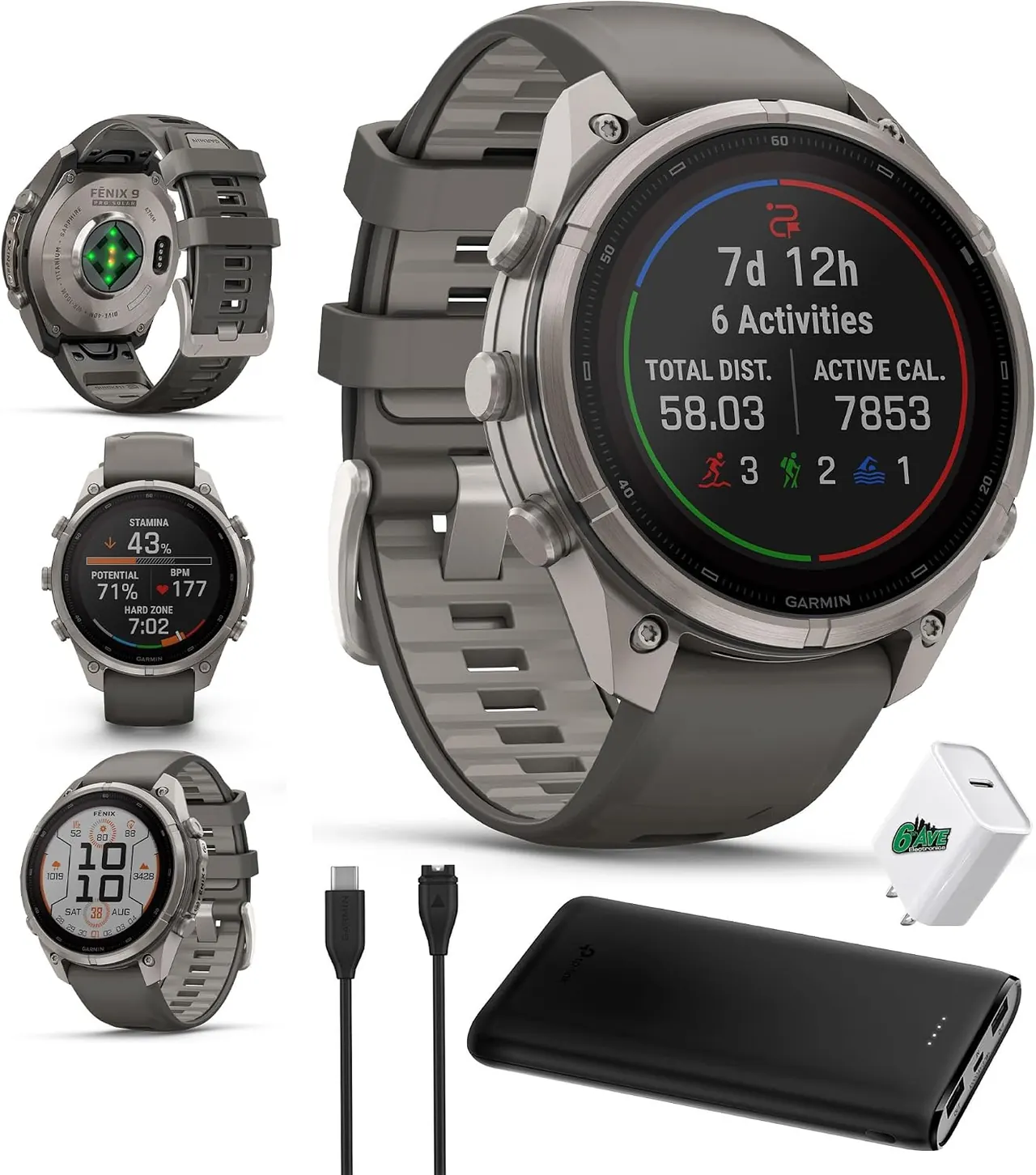
Garmin Fenix 9 Pro Solar combines a rugged titanium design with advanced GPS, fitness, health and outdoor tracking. Its solar charging capability helps extend battery life, while detailed training, recovery and navigatio...
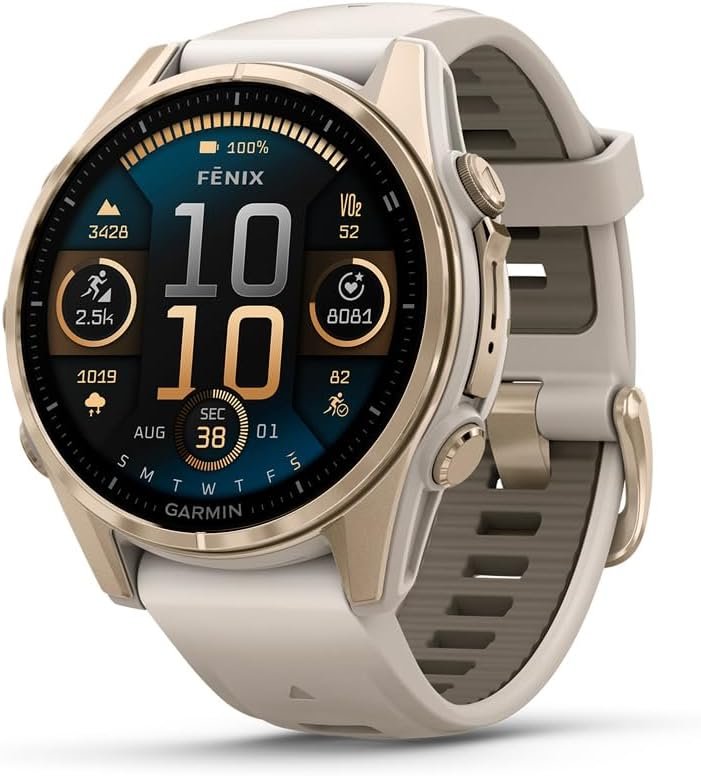
Garmin fēnix 8 Sapphire 43mm combines a compact, rugged design with advanced fitness, health and outdoor tracking. It offers detailed workout metrics, GPS navigation, sleep and recovery insights, making it a strong choic...
Garmin Forerunner 970 is a premium running smartwatch designed for serious runners and endurance athletes. It combines advanced training metrics, GPS, recovery and health tracking with performance insights to help you mo...
WHOOP: Built Around the Recovery-to-Training Loop
WHOOP is different from a conventional smartwatch because its central experience revolves around Sleep, Recovery and Strain .
Its Recovery score is designed to estimate how prepared your body is to handle physiological stress. WHOOP uses signals including HRV, resting heart rate, sleep and respiratory measurements, with additional physiological signals contributing depending on the device and membership.
The other half of the system is Strain.
WHOOP continuously tracks physiological load and connects it to your Recovery. This creates a simple feedback loop:
Train -> accumulate Strain -> recover -> evaluate readiness -> train again.
That is a very different philosophy from a wearable that primarily tells you how many steps you took and how long you slept.
Why athletes may like WHOOP
- Recovery is a central part of the product rather than an afterthought.
- HRV and resting heart rate are integrated into the Recovery model.
- Strain provides a way to quantify training and daily physiological load.
- Sleep need and sleep debt are connected to recent activity and recovery.
- Long-term Recovery and Strain trends help you see how your training is affecting you over time.
- Strain guidance can help athletes adjust how hard they push on a particular day.
The trade-off
WHOOP is a membership-based platform. If you are specifically looking for a wearable with no ongoing subscription, it belongs on your comparison list but may not fit your ownership preferences.
It is also not a traditional smartwatch. If you want a large display, maps, notifications and extensive on-watch workout functionality, Garmin or Apple Watch may be a better fit.
Oura: Excellent for Sleep and Recovery Trends
Oura takes a different route.
It puts considerable emphasis on sleep, readiness and long-term physiological trends. Its Readiness Score combines sleep, activity patterns and body signals such as resting heart rate, HRV and temperature.
That makes Oura particularly interesting for athletes who already have a separate training platform but want a comfortable device focused on overnight recovery.
For example, a runner may use a Garmin for detailed training and GPS data while using a ring to monitor overnight recovery.
Oura's Readiness system also places emphasis on longer-term trends such as HRV balance, sleep balance and activity balance rather than treating every morning as an isolated event.
Why athletes may like Oura
- Strong focus on sleep and recovery.
- HRV and resting heart rate are integrated into Readiness.
- Long-term trends can reveal changes that are easy to miss from one day's score.
- Small ring form factor can be more comfortable overnight than a large sports watch.
- Useful for athletes who want recovery information without making the wearable their entire training platform.
The trade-off
Oura's newer-generation experience uses a membership model for the full feature set. It is also less focused than Garmin or WHOOP on detailed training-load management and sport-specific workout analysis.
![Samsung Galaxy Watch Ultra (2024) 47mm LTE AI Smartwatch w/Energy Score, Wellness Tips, Heart Rate Tracking, Sleep Monitor, Fitness Tracker, GPS,Titanium Silver [US Version, 1Yr Manufacturer Warranty]](https://www.coreadorn.com/storage/product/samsung-galaxy-watch-ultra-2024-47mm-lte-ai-smartwatch-HC5mXMSP.jpg)
Samsung Galaxy Watch Ultra (2024) 47mm LTE combines a rugged titanium design with advanced health, fitness and smart features. With Energy Score, wellness insights, heart rate and sleep tracking, GPS and LTE connectivity...
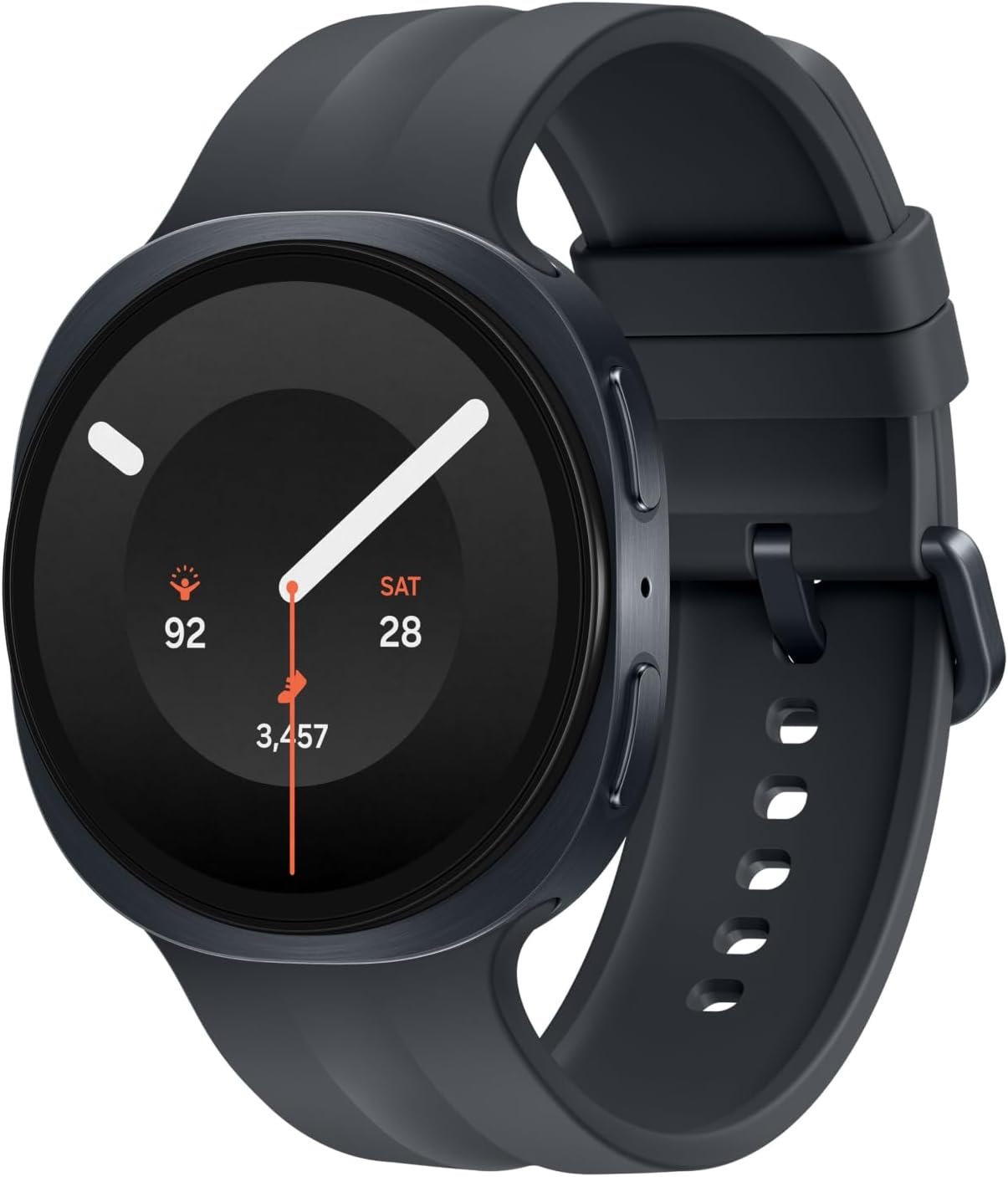
Samsung Galaxy Watch9 in Graphite with a 44mm case combines a sleek design with advanced health, fitness, sleep, and everyday smartwatch features. It tracks workouts, heart rate, sleep and activity while keeping calls, m...
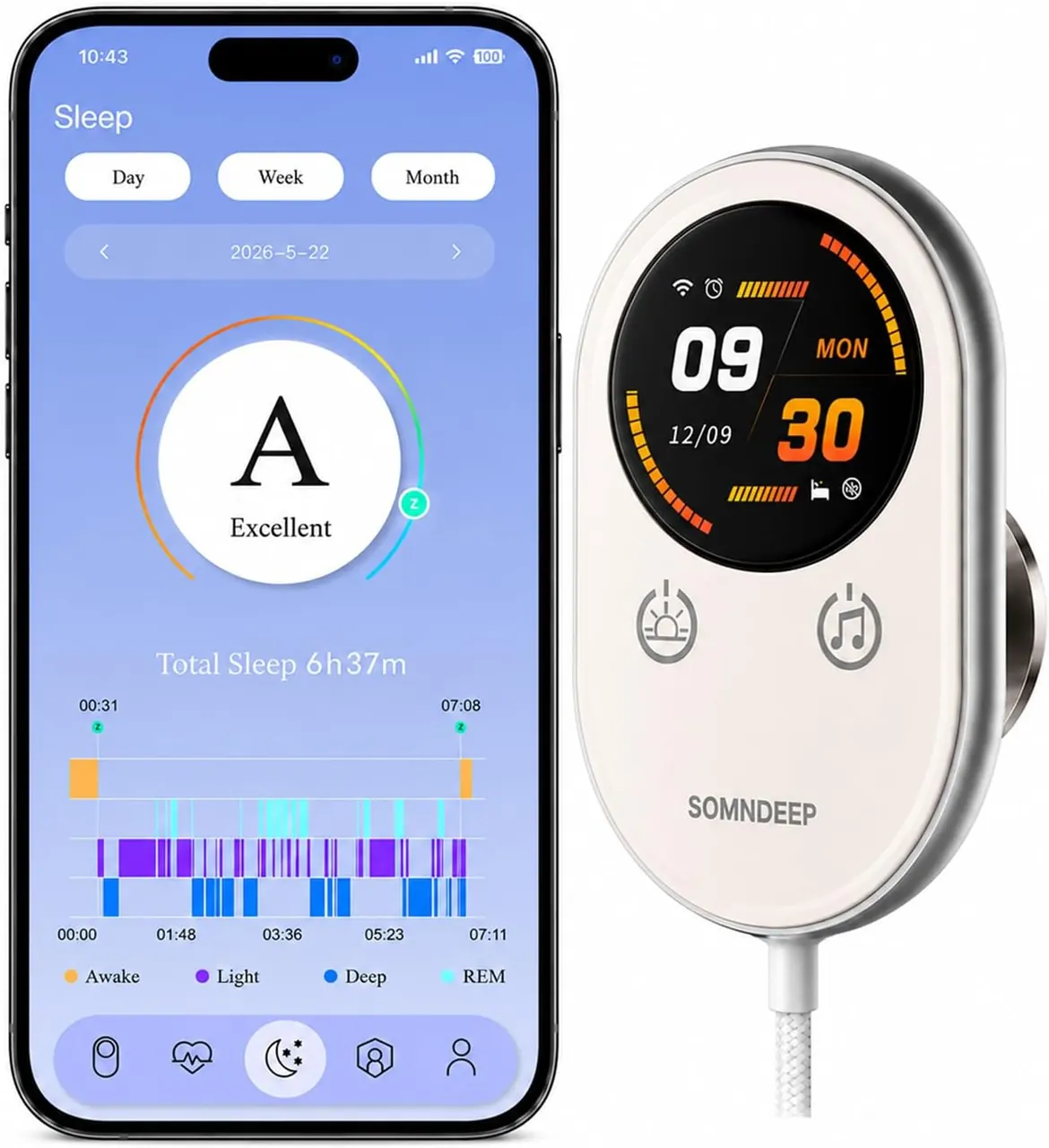
A contactless smart sleep tracker monitors your sleep without requiring you to wear a watch, ring or sensor. Designed for effortless overnight tracking, it can provide insights into sleep duration, movement and other sle...
Garmin: Best When Recovery Needs to Connect With Training
Garmin is particularly interesting for athletes because it does not treat sleep as a separate wellness category.
On compatible Garmin devices, Training Readiness combines several inputs including sleep score, recovery time, HRV status, acute training load, recent sleep history and stress history.
Garmin also has Training Status, which looks at fitness, training volume and training load. Compatible devices can incorporate HRV status into this broader picture.
This creates a useful distinction:
Recovery tells you how prepared you may be today. Training Status helps you understand how your training is progressing over time.
Why athletes may prefer Garmin
- Detailed sports and workout tracking.
- Training Readiness on compatible models.
- Acute training load and recovery time.
- HRV status and longer-term trends.
- Training Status connects training volume with fitness changes.
- Strong ecosystem for running, cycling, triathlon and other endurance sports.
The trade-off
Garmin can be more information-heavy than a sleep-first ring. It is designed for athletes who want to understand training, not just sleep.
That is an advantage if you want detailed sports data. It can be unnecessary if your main objective is simply understanding whether you recovered overnight.
Oura Ring 5 combines a sleek gold design with discreet, continuous health tracking. Monitor sleep, heart rate, HRV, activity, recovery and temperature trends to better understand your body and make smarter decisions abou...
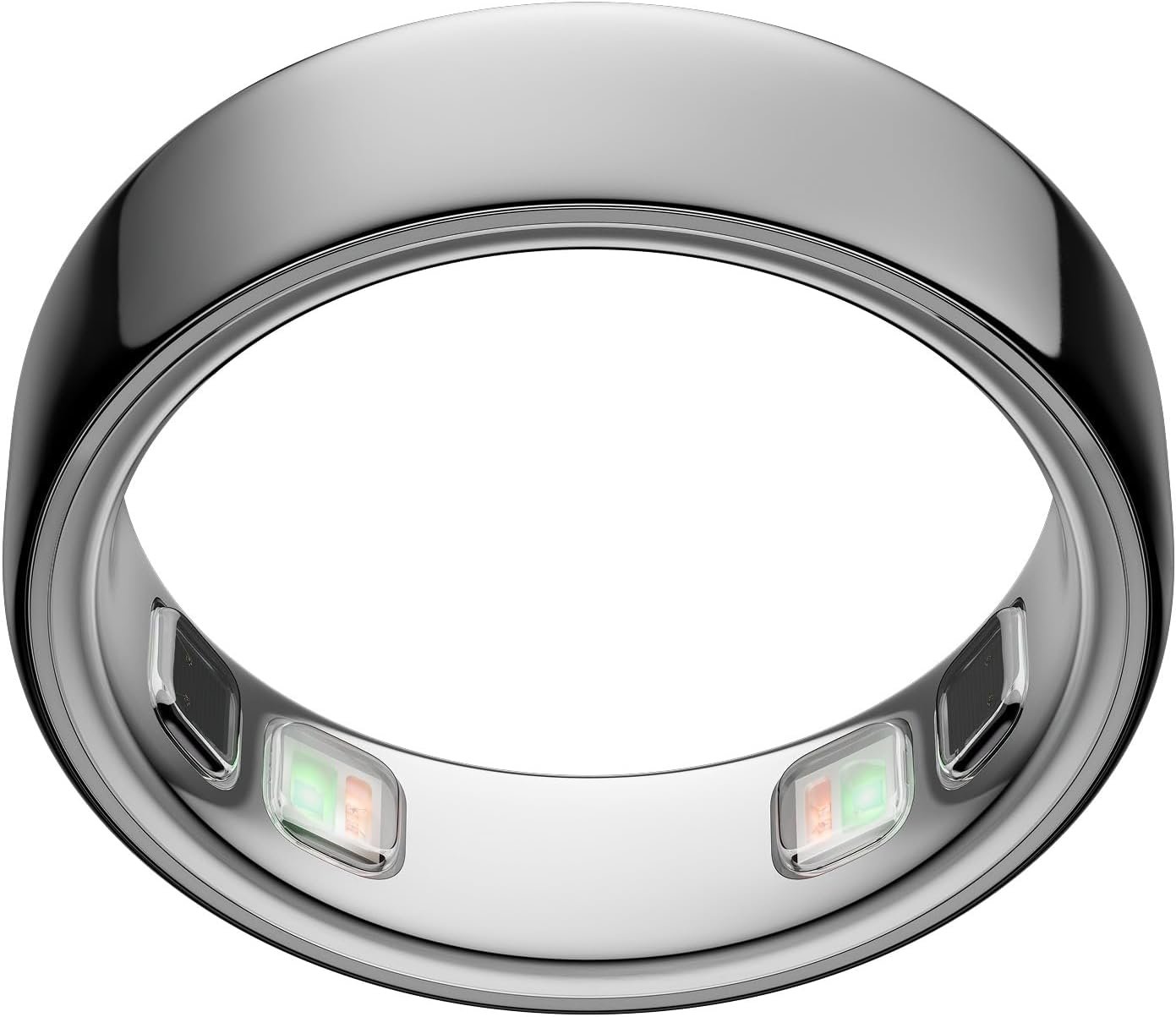
Oura Ring 5 is a discreet smart wearable for people who want detailed health insights without wearing a smartwatch. It tracks sleep, heart rate, HRV, activity, recovery and temperature trends, helping you understand your...
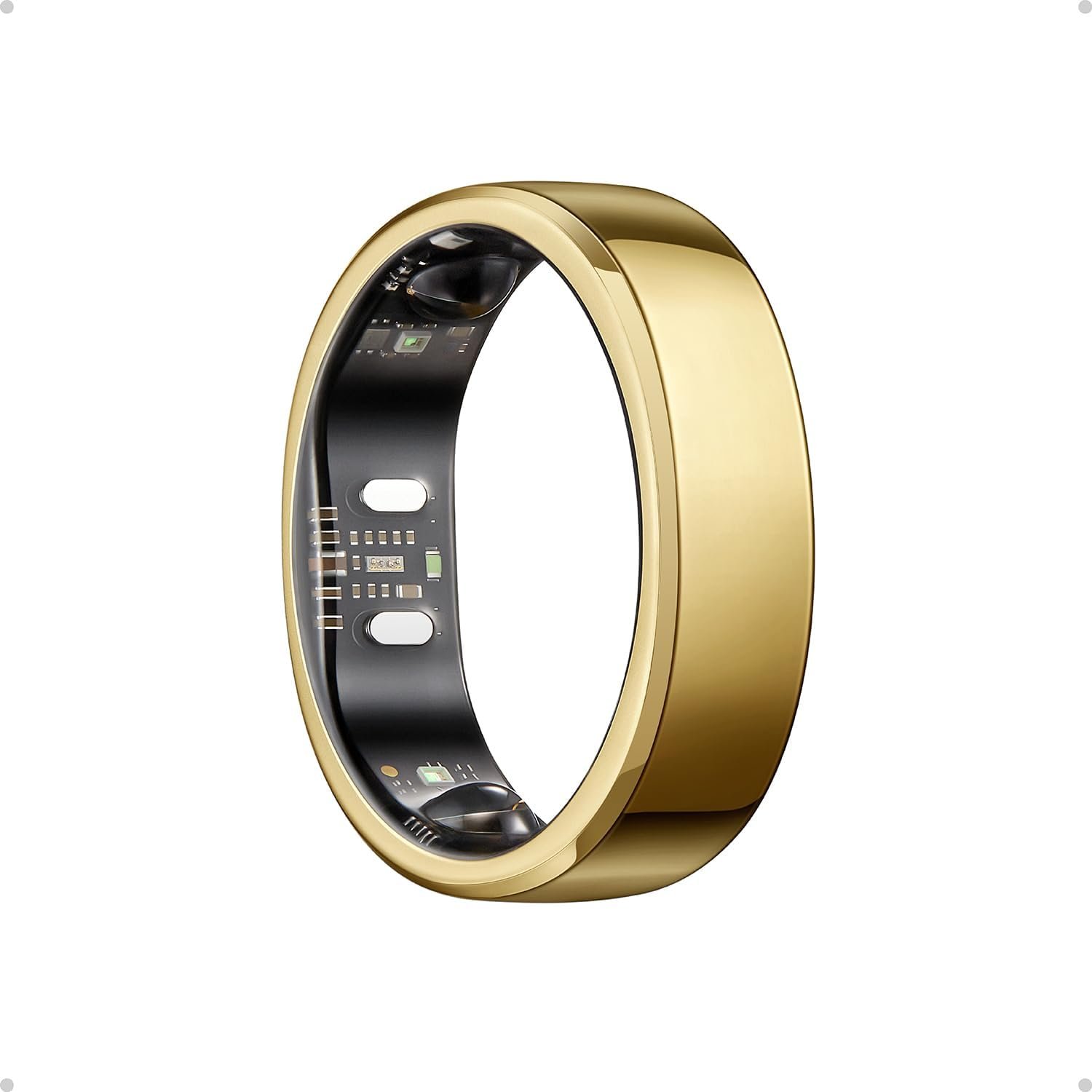
RingConn Gen 3 Smart Ring delivers discreet, screen-free health tracking without the bulk of a smartwatch. It monitors sleep, heart rate, HRV, blood oxygen, activity and vascular trends, helping you spot changes earlier,...
Apple Watch: Strong Option for iPhone-Based Athletes
Apple Watch has traditionally been a broad health and smartwatch platform rather than a dedicated recovery wearable. That distinction matters less now because Apple has expanded its recovery-oriented features.
Current Apple Watch software includes Training Load, overnight Vitals and Readiness features on supported models.
Training Load compares the intensity and duration of recent workouts with your longer-term training history. Apple also uses activity, workout effort, Training Load, sleep and overnight physiological information when calculating Readiness on supported devices.
That makes Apple Watch much more relevant to athletes than simply looking at its sleep-stage tracking.
Why athletes may choose Apple Watch
- Strong integration with Apple Health.
- Training Load connects workout effort with recent history.
- Overnight Vitals provide additional physiological context.
- Readiness can combine activity, sleep and physiological information.
- Excellent smartwatch functionality alongside training.
- Large ecosystem of workout and health applications.
The trade-off
Apple Watch makes the most sense for people already using an iPhone. Battery life and charging can also be more relevant for athletes who want continuous overnight tracking.
If your entire priority is recovery coaching, WHOOP may provide a more specialized experience. If detailed endurance training is the priority, Garmin may provide deeper sport-specific tools.
Ultrahuman: Recovery Without a Traditional Membership
Ultrahuman's Ring AIR takes a ring-first approach to sleep and recovery.
Its Dynamic Recovery Score combines sleep, resting heart rate, HRV, skin temperature and stress rhythm. Unlike a score that is calculated only once in the morning, Ultrahuman describes Dynamic Recovery as updating through the day as new readings become available.
This is useful for athletes because recovery is not always static.
You may wake up reasonably recovered, complete a stressful workday, take a hard workout and then see your recovery picture change. A dynamic approach can help you understand that your physiological state is not a fixed morning label.
Why athletes may consider Ultrahuman
- Ring form factor for overnight wear.
- HRV and resting heart rate tracking.
- Sleep Index feeds into recovery.
- Dynamic Recovery incorporates stress rhythm and temperature.
- No mandatory subscription for the Ring AIR's core experience.
- Useful for people who want recovery insights without buying a dedicated sports watch.
The trade-off
Ultrahuman is not a replacement for a full sports-watch ecosystem if you need advanced GPS workouts, detailed training load analysis, sport-specific performance metrics or extensive on-device training features.
Oura Ring 5 combines a sleek gold design with discreet, continuous health tracking. Monitor sleep, heart rate, HRV, activity, recovery and temperature trends to better understand your body and make smarter decisions abou...
Oura Ring 5 is a discreet smart wearable for people who want detailed health insights without wearing a smartwatch. It tracks sleep, heart rate, HRV, activity, recovery and temperature trends, helping you understand your...
![SAMSUNG Galaxy Ring, AI Smart Ring, Size First w/Sizing Kit, No App Subscription, Fitness Monitor, Sleep Tracker, Up to 7-Day Battery, Size 10, Titanium Black [US Version, 1Yr Manufacturer Warranty]](https://www.coreadorn.com/storage/product/samsung-galaxy-ring-ai-smart-ring-Se7cRDAz.webp)
Samsung Galaxy Ring combines discreet titanium design with sleep, fitness and health tracking in a lightweight, screen-free form. With no app subscription, up to 7 days of battery life, sleep monitoring and activity trac...
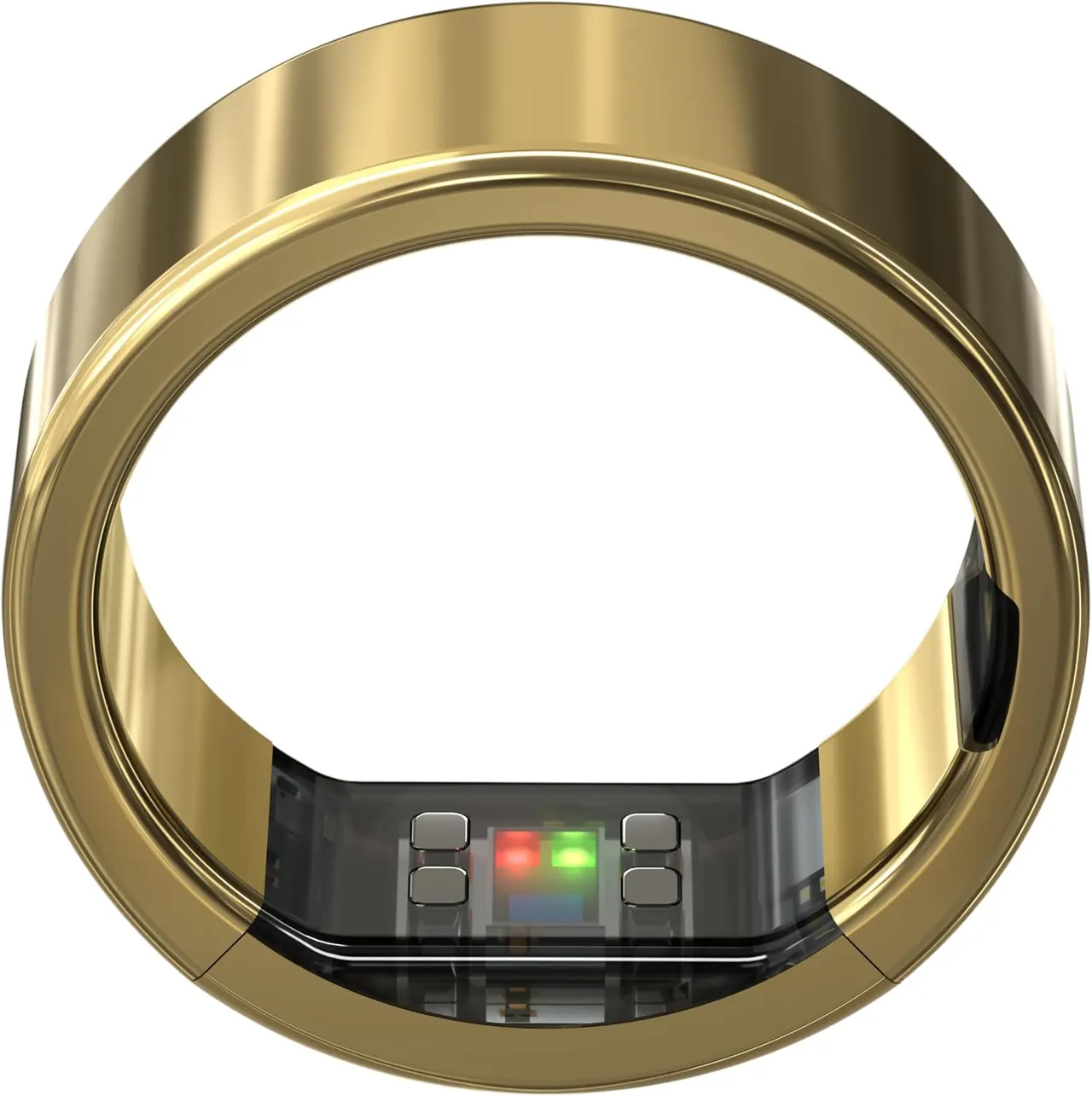
Ultrahuman Ring PRO in Bionic Gold combines a premium titanium design with discreet health and recovery tracking. It monitors sleep, heart rate, HRV and recovery without requiring an app subscription, while offering up t...
Fitbit: Readiness for Wellness-Focused Athletes
Fitbit has moved beyond basic sleep tracking with its Daily Readiness experience.
Current Fitbit readiness information uses signals such as resting heart rate, HRV and sleep to provide an indication of whether your body may be ready for a challenging workout or needs more recovery.
That makes Fitbit more relevant to active users than a simple sleep tracker.
However, Fitbit is still better suited to people who want a relatively accessible health and fitness ecosystem rather than a highly specialized training platform.
Why Fitbit may work for you
- Sleep and recovery information in one app.
- HRV and resting heart rate contribute to readiness.
- Useful for general fitness and wellness.
- Good option for people already invested in Fitbit and Google health services.
The trade-off
For athletes building structured training around load, recovery time, training status and performance, Garmin or WHOOP generally offers a more training-focused framework.
Athlete-Focused Comparison: Sleep, Recovery and Training
Rather than giving each product an arbitrary score, it is more useful to understand what role each ecosystem is designed to play.
| Device | Sleep strength | Recovery and training role |
|---|---|---|
| WHOOP | Sleep need, sleep performance, sleep debt and sleep stages are closely connected to recovery | Recovery and Strain form the core training feedback loop |
| Oura | Strong overnight sleep and long-term sleep trends | Readiness connects sleep, HRV, RHR, temperature and activity balance; less focused on detailed training load |
| Garmin | Sleep contributes directly to broader training analysis | Training Readiness, recovery time, acute load, HRV status and Training Status connect directly to sports training |
| Apple Watch | Sleep and overnight Vitals provide useful recovery context | Training Load and Readiness connect workout effort, recent activity, sleep and physiological signals |
| Ultrahuman | Sleep Index provides a strong recovery input | Dynamic Recovery combines HRV, RHR, temperature, sleep and stress; better suited to recovery than detailed sport programming |
| Fitbit | Strong consumer sleep tracking and sleep history | Daily Readiness provides recovery context, but the ecosystem is less training-specific |
The table is deliberately not a ranking. The products solve slightly different problems.
WHOOP makes the most sense when the relationship between Recovery and Strain is central to how you train.
Garmin makes more sense when you want recovery information inside a broader training-performance system .
Oura and Ultrahuman are attractive when overnight recovery is the priority and you prefer a ring.
Apple Watch is particularly useful if you want training, health and smartwatch functions in one device.
Fitbit is better suited to athletes who want readiness information without building a highly specialized performance ecosystem .
Oura Ring 5 combines a sleek gold design with discreet, continuous health tracking. Monitor sleep, heart rate, HRV, activity, recovery and temperature trends to better understand your body and make smarter decisions abou...
Samsung Galaxy Ring combines discreet titanium design with sleep, fitness and health tracking in a lightweight, screen-free form. With no app subscription, up to 7 days of battery life, sleep monitoring and activity trac...
Samsung Galaxy Watch9 in Graphite with a 44mm case combines a sleek design with advanced health, fitness, sleep, and everyday smartwatch features. It tracks workouts, heart rate, sleep and activity while keeping calls, m...
Which Recovery Metrics Should You Actually Watch?
| Metric | What it can tell you | How athletes should use it |
|---|---|---|
| HRV | How your current autonomic pattern compares with your baseline | Look for sustained changes rather than reacting to one unusual reading |
| Resting heart rate | Whether your overnight heart rate is moving away from normal | Watch for persistent elevations alongside fatigue, poor sleep or high training load |
| Sleep debt | Whether insufficient sleep is accumulating | Useful during high-volume training blocks and travel |
| Recovery score | A combined interpretation of several recovery signals | Use as context rather than an automatic training command |
| Training load | How much recent training stress you have accumulated | Compare current load with your normal training pattern |
| Strain | Physiological stress from activity and other demands | Use it to understand how hard your body has actually worked |
| Stress | Non-training physiological stress | Useful when recovery looks poor despite an apparently reasonable workout schedule |
Why HRV Should Never Be Used Alone
HRV is one of the most useful recovery metrics, but it is also one of the easiest to misuse.
Suppose your normal overnight HRV is 55 ms and it falls to 42 ms.
That does not automatically mean you should skip training.
Now add context:
- You trained hard for three consecutive days.
- Your resting heart rate is also elevated.
- You slept less than usual.
- Your recovery score has fallen for several days.
- You feel unusually tired.
That combination is much more informative than the HRV number by itself.
Now imagine the same HRV drop after a rest day, with normal sleep, normal resting heart rate and no unusual fatigue. The interpretation may be different.
The trend is the signal. The single number is context.
Garmin Forerunner 970 is a premium running smartwatch designed for serious runners and endurance athletes. It combines advanced training metrics, GPS, recovery and health tracking with performance insights to help you mo...
Samsung Galaxy Watch Ultra (2024) 47mm LTE combines a rugged titanium design with advanced health, fitness and smart features. With Energy Score, wellness insights, heart rate and sleep tracking, GPS and LTE connectivity...
Samsung Galaxy Watch9 in Graphite with a 44mm case combines a sleek design with advanced health, fitness, sleep, and everyday smartwatch features. It tracks workouts, heart rate, sleep and activity while keeping calls, m...
Recovery Trends Matter More Than One Bad Morning
Athletes often make the mistake of treating wearable scores like exam results.
Green means train.
Red means rest.
That is too simplistic.
Recovery is dynamic, and wearable algorithms are working from imperfect physiological measurements.
A better approach is to watch the relationship between your training and recovery over several days.
For example:
| Pattern | What you might see | What to investigate |
|---|---|---|
| Healthy adaptation | Training load rises while recovery returns toward baseline between hard sessions | Whether your training progression and recovery schedule are sustainable |
| Accumulated fatigue | HRV falls, RHR rises and readiness remains suppressed across several days | Sleep, nutrition, training volume, stress and recovery days |
| Possible under-recovery | High training load combined with persistent sleep debt and declining recovery | Whether the current training block is exceeding your recovery capacity |
| Normal variation | One unusual HRV or readiness reading followed by a return to baseline | Usually more useful to observe than react immediately |
How Sleep Debt Changes the Training Equation
Athletes often think of sleep as something they either got or did not get.
Training makes the situation more complicated.
When training volume increases, your recovery demands increase too. A short night that might be manageable during a low-volume week can become much more important during a heavy training block.
That is why sleep debt should be viewed alongside training load.
If you are carrying significant sleep debt while increasing training volume, adding another hard session may not produce the same adaptation you expected.
This is especially important for athletes who repeatedly trade sleep for early workouts, work commitments, travel or late-night social activities.
Training Load and Recovery Load Are Not the Same Thing
Your watch can tell you that yesterday's workout was hard. Your recovery metrics can tell you how your body responded.
Those are different measurements.
Consider a strength athlete who performs a heavy lower-body session. The cardiovascular demand might not look enormous compared with an interval run, but the musculoskeletal stress can still be significant.
This is one reason athlete-focused platforms increasingly try to incorporate more than heart rate alone when evaluating training and recovery.
The goal is not to find one perfect load number. It is to build a more complete picture of what your training actually costs.
Samsung Galaxy Ring combines discreet titanium design with sleep, fitness and health tracking in a lightweight, screen-free form. With no app subscription, up to 7 days of battery life, sleep monitoring and activity trac...
Samsung Galaxy Watch Ultra (2024) 47mm LTE combines a rugged titanium design with advanced health, fitness and smart features. With Energy Score, wellness insights, heart rate and sleep tracking, GPS and LTE connectivity...
Samsung Galaxy Watch9 in Graphite with a 44mm case combines a sleek design with advanced health, fitness, sleep, and everyday smartwatch features. It tracks workouts, heart rate, sleep and activity while keeping calls, m...
WHOOP vs Garmin for Athletes
This is one of the most useful comparisons for serious recreational athletes.
WHOOP is built around the question: "How recovered am I, and how much strain should I take on?"
Garmin is built around a broader question: "How is my training progressing, and how ready am I for the next workout?"
If recovery coaching and Strain are the center of your workflow, WHOOP's model is highly relevant.
If you need GPS workouts, structured training, performance metrics, training load, recovery time and longer-term training status, Garmin's broader sports ecosystem may be more useful.
Oura vs Ultrahuman for Recovery
Both are attractive to athletes who prefer a ring over a watch.
Oura has a mature Readiness framework built around sleep, HRV, resting heart rate, temperature and activity balance.
Ultrahuman's Dynamic Recovery focuses on sleep, HRV, resting heart rate, temperature and stress rhythm, with the score updating as new data arrives.
The practical decision comes down to more than sensor specifications.
Consider:
- Which app's interpretation makes more sense to you?
- Do you want a membership?
- Do you already use another sports watch?
- Do you want recovery information or detailed training analytics?
- Which ring can you comfortably wear every night?
Samsung Galaxy Ring combines discreet titanium design with sleep, fitness and health tracking in a lightweight, screen-free form. With no app subscription, up to 7 days of battery life, sleep monitoring and activity trac...
A contactless smart sleep tracker monitors your sleep without requiring you to wear a watch, ring or sensor. Designed for effortless overnight tracking, it can provide insights into sleep duration, movement and other sle...
Ultrahuman Ring PRO in Bionic Gold combines a premium titanium design with discreet health and recovery tracking. It monitors sleep, heart rate, HRV and recovery without requiring an app subscription, while offering up t...
Apple Watch vs Garmin for Training Recovery
If you are an iPhone user, Apple Watch has become a much more capable training and recovery option.
Apple's Training Load looks at recent workout intensity and duration relative to a longer training history. Its Readiness system on supported models also incorporates activity, sleep and overnight physiological information.
Garmin, however, has a deeper sports-training heritage and offers a more extensive set of training-specific features across compatible models.
For an athlete choosing between the two, the important question is not simply which has better sleep tracking.
Ask whether you want:
- A general-purpose smartwatch that has become increasingly capable for training.
- Or a sports-focused training ecosystem that also happens to provide extensive sleep and recovery information.
Best Recovery Tracker for Different Types of Athletes
| Athlete type | Devices to consider | What matters most |
|---|---|---|
| Runner | Garmin, WHOOP, Apple Watch | Training load, recovery, HRV, running data and training progression |
| Cyclist | Garmin, WHOOP, Apple Watch | Training load, recovery, heart rate and workout history |
| Strength athlete | WHOOP, Garmin, Ultrahuman | Recovery, HRV, stress, sleep and response to repeated training sessions |
| CrossFit or hybrid athlete | WHOOP, Garmin, Apple Watch | High-intensity load, recovery and repeated training stress |
| Triathlete | Garmin, WHOOP | Multi-sport training load, recovery and structured training |
| Recreational athlete | Oura, Ultrahuman, Fitbit, Apple Watch | Sleep, recovery trends and sustainable training habits |
| Recovery-focused athlete | WHOOP, Oura, Ultrahuman | HRV, RHR, sleep, stress and readiness trends |
What About Athletes Who Train Every Day?
Training every day does not necessarily mean training hard every day.
A good recovery system can help you distinguish between:
- High-intensity days
- Moderate training
- Easy aerobic sessions
- Mobility or recovery work
- Complete rest
This matters because adaptation happens through the combination of stimulus and recovery.
If your wearable repeatedly shows declining recovery while your training load keeps increasing, that is a reason to look at the whole picture rather than simply trying to improve the recovery score.
Garmin fēnix 8 Sapphire 43mm combines a compact, rugged design with advanced fitness, health and outdoor tracking. It offers detailed workout metrics, GPS navigation, sleep and recovery insights, making it a strong choic...
Garmin Forerunner 970 is a premium running smartwatch designed for serious runners and endurance athletes. It combines advanced training metrics, GPS, recovery and health tracking with performance insights to help you mo...
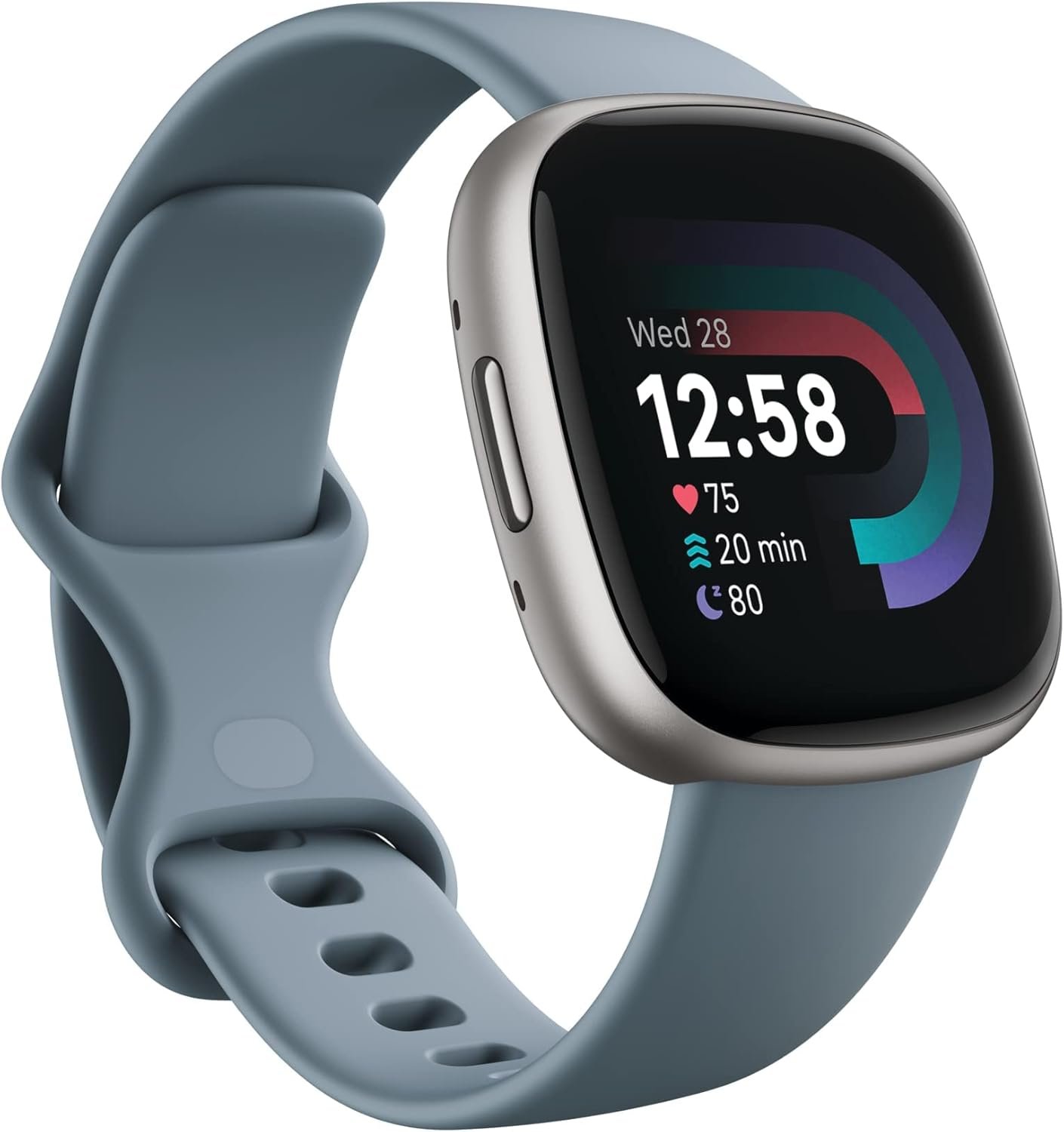
Google Fitbit Versa 4 in Waterfall Blue/Platinum combines everyday smartwatch features with fitness and wellness tracking. It monitors activity, heart rate, workouts and sleep while offering a slim, comfortable design an...
Can You Train When Your Recovery Score Is Low?
Sometimes, yes.
A low recovery score is not a medical diagnosis and should not automatically cancel a planned workout.
Athletes need to consider the reason for the low score, the type of workout planned and how they actually feel.
For example, a low score before an easy recovery ride is a different situation from a low score before an all-out interval session.
Likewise, a single unusual score is different from several consecutive days of poor recovery combined with fatigue and worsening training performance.
The best use of recovery technology is to inform your decision, not make every training decision for you.
How to Use a Recovery Tracker Without Becoming Obsessed With Scores
This is an important point for athletes.
Wearable data should reduce uncertainty, not create another source of anxiety.
Instead of checking your score repeatedly, create a simple morning routine:
- Look at your recovery or readiness trend.
- Check HRV against your own baseline.
- Look at resting heart rate.
- Review recent training load.
- Check sleep duration and sleep debt.
- Consider how you actually feel.
- Decide whether today's planned training still makes sense.
Then move on with your day.
Athlete Recovery Buyer Checklist
Before buying a wearable for recovery, ask these questions.
Recovery metrics
- Does it measure HRV?
- Does it provide resting heart rate trends?
- Does it provide a recovery or readiness score?
- Can you see changes against your personal baseline?
- Does it show multi-day or multi-week trends?
Training metrics
- Does it track training load?
- Does it calculate workout strain or effort?
- Does it provide recovery time?
- Does it support your primary sport?
- Can it distinguish different workout types?
Sleep
- Does it track sleep duration?
- Does it estimate sleep stages?
- Does it track sleep consistency?
- Does it account for sleep debt or sleep need?
- Can you compare sleep with training load?
Practical considerations
- Will you actually wear it every night?
- How often does it need charging?
- Does it require a subscription?
- Does it work with your phone?
- Can your data be exported or shared with other platforms?
- Does the app make the data easy to understand?
For U.S. buyers seeking a versatile everyday smartwatch, Apple Watch Series 12 GPS + Cellular offers a large 46mm display with health, fitness, sleep and safety features. Track heart rate, activity and workouts while sta...
Garmin Forerunner 970 is a premium running smartwatch designed for serious runners and endurance athletes. It combines advanced training metrics, GPS, recovery and health tracking with performance insights to help you mo...
The Most Important Limitation: Recovery Scores Are Estimates
Wearable recovery scores are useful, but they are not direct measurements of your body's total recovery capacity.
They are algorithms built from physiological signals.
Two devices worn on the same night can produce different recovery scores because they may use different sensors, sampling methods, baselines and algorithms.
That does not automatically mean one device is wrong.
It means the numbers should be treated as estimates and interpreted consistently within the ecosystem that produced them.
This is also why you should not compare a WHOOP Recovery score directly with an Oura Readiness score or Garmin Training Readiness score.
Use each system to understand your own trends .
Wearable Recovery Data Cannot Diagnose Overtraining
A wearable can identify patterns associated with increased physiological stress, but it cannot independently diagnose overtraining syndrome, illness, injury or another medical condition.
Persistent fatigue, declining performance, unusual heart-rate changes, dizziness, chest pain, breathing problems or other concerning symptoms should not be managed by simply following a wearable's recovery score.
If your recovery data remains abnormal and you feel unwell, the appropriate next step is professional medical evaluation rather than buying a different tracker.
Garmin Forerunner 970 is a premium running smartwatch designed for serious runners and endurance athletes. It combines advanced training metrics, GPS, recovery and health tracking with performance insights to help you mo...
Google Fitbit Versa 4 in Waterfall Blue/Platinum combines everyday smartwatch features with fitness and wellness tracking. It monitors activity, heart rate, workouts and sleep while offering a slim, comfortable design an...
How Accurate Is HRV for Athletes?
HRV can be useful when measured consistently, but it is highly individual.
Age, fitness, illness, stress, alcohol, sleep, training load and other factors can influence it. This is why comparing your HRV with another athlete's number is generally not useful.
The better approach is to establish your own baseline and look for meaningful changes over time.
A seven-day or longer trend can be more useful than reacting to a single unusually high or low value.
Should Athletes Wear a Ring and Sports Watch Together?
They can, and there are situations where it makes sense.
A sports watch can handle GPS, workouts, training load and sport-specific metrics while a ring can provide comfortable overnight recovery tracking.
For example:
Garmin + Oura can make sense for an athlete who wants Garmin's training ecosystem and a ring-focused overnight experience.
Apple Watch + Ultrahuman can make sense for an iPhone user who wants smartwatch and workout functionality during the day and ring-based recovery tracking overnight.
But using two devices also creates another problem: conflicting numbers.
If two devices report different sleep durations, HRV values or readiness scores, do not spend your morning trying to determine which one is "correct." Choose one system as your primary recovery reference and use the other as additional context.
>How to Build a Simple Athlete Recovery Dashboard
You do not need to monitor twenty metrics every morning.
A simple recovery dashboard can contain:
| Morning check | What to look for | Why it matters |
|---|---|---|
| HRV trend | Near baseline or persistently suppressed | Provides context about recovery and physiological stress |
| Resting heart rate | Normal or elevated relative to baseline | Can provide another signal of physiological stress |
| Sleep | Duration, consistency and recent sleep history | Recovery depends heavily on adequate sleep |
| Training load | Current load compared with your normal pattern | Shows how much stress you have recently placed on your body |
| Readiness | Direction of the trend rather than one score | Combines multiple signals into a simpler daily view |
| How you feel | Energy, soreness, motivation and unusual fatigue | Wearables cannot measure every aspect of recovery |
Oura Ring 5 combines a sleek gold design with discreet, continuous health tracking. Monitor sleep, heart rate, HRV, activity, recovery and temperature trends to better understand your body and make smarter decisions abou...
Samsung Galaxy Ring combines discreet titanium design with sleep, fitness and health tracking in a lightweight, screen-free form. With no app subscription, up to 7 days of battery life, sleep monitoring and activity trac...
Ultrahuman Ring PRO in Bionic Gold combines a premium titanium design with discreet health and recovery tracking. It monitors sleep, heart rate, HRV and recovery without requiring an app subscription, while offering up t...
Which Recovery Tracker Should You Buy?
Start with the type of athlete you are, not the brand.
Choose WHOOP if recovery coaching and Strain are central to your training decisions.
Choose Garmin if you want recovery information deeply integrated with running, cycling, triathlon or structured sports training.
Choose Oura if sleep and long-term recovery trends are your priority and you prefer a ring.
Choose Ultrahuman if you want a recovery-focused ring with Dynamic Recovery and no mandatory subscription for the core Ring AIR experience.
Choose Apple Watch if you use an iPhone and want training, health, recovery and smartwatch features in one device.
Choose Fitbit if you want a simpler readiness and wellness experience and are already comfortable with the Fitbit ecosystem.
Best Athlete Sleep Tracker Without a Subscription
If recurring fees are a deal-breaker, the shortlist changes.
Ultrahuman Ring AIR is particularly relevant because its core experience does not require a mandatory subscription. Garmin also offers a broad training and recovery ecosystem without requiring a recurring membership for the basic Garmin Connect experience.
Apple Watch provides core health and training features without requiring a wearable recovery membership, although Apple offers optional paid services separately.
Fitbit can also provide useful readiness information, but some advanced Fitbit features may be part of premium services.
Oura and WHOOP require you to consider their membership costs when calculating long-term ownership.
For a broader comparison of subscription-free devices, see Best Sleep Trackers Without a Subscription .
Best Recovery Tracker for Runners
Runners should prioritize training load, recovery time, HRV trends, sleep history and workout analysis rather than buying purely on sleep-stage tracking.
Garmin is particularly strong for runners who want their recovery information connected to their training plan and performance metrics.
WHOOP is attractive when the primary question is how much physiological strain you can handle today.
Apple Watch is a practical alternative for iPhone users who want a broader smartwatch and health ecosystem.
Best Recovery Tracker for Strength Training
Strength athletes should be careful about relying entirely on cardiovascular metrics.
A heavy strength session can create substantial muscular and systemic fatigue without producing the same heart-rate profile as a hard run.
WHOOP's broader strain approach, Garmin's training ecosystem and recovery-focused rings such as Ultrahuman can all provide useful context, but none can directly measure every aspect of muscular recovery.
Your soreness, performance, sleep and training history still matter.
Oura Ring 5 combines a sleek gold design with discreet, continuous health tracking. Monitor sleep, heart rate, HRV, activity, recovery and temperature trends to better understand your body and make smarter decisions abou...
Oura Ring 5 is a discreet smart wearable for people who want detailed health insights without wearing a smartwatch. It tracks sleep, heart rate, HRV, activity, recovery and temperature trends, helping you understand your...
Best Recovery Tracker for Hybrid Athletes
Hybrid athletes have a particularly difficult recovery problem because their training can combine strength, running, conditioning, cycling and other activities.
This makes a platform that can put different types of stress into one overall picture more useful.
WHOOP is relevant because Strain is designed as a broader physiological load measure.
Garmin is relevant because its training ecosystem can track multiple sports and connect recovery with training status.
Apple Watch can also work well for hybrid athletes who value the wider Apple ecosystem and use compatible workout applications.
FAQ: Sleep Trackers for Athletes and Recovery
Is a sleep tracker useful for athletes?
Yes, but the most useful athlete-focused trackers go beyond sleep duration. HRV, resting heart rate, training load, recovery, sleep history and stress can provide additional context for deciding how to approach training.
What is the best metric for athletic recovery?
There is no single best metric. HRV, resting heart rate, sleep, training load and subjective fatigue become more useful when interpreted together and compared with your own baseline.
Is HRV more important than sleep?
No. HRV is one recovery signal, while sleep is a major component of recovery. A change in HRV should be interpreted alongside sleep, training load, resting heart rate and how you feel.
Is WHOOP good for athletes?
WHOOP is specifically designed around the relationship between Sleep, Recovery and Strain. It is particularly relevant for athletes who want daily recovery guidance and a way to relate physiological recovery to training load.
Is Garmin good for recovery?
Yes. Compatible Garmin devices can combine sleep, recovery time, HRV status, acute training load, recent sleep history and stress history into Training Readiness. Garmin also connects recovery with broader Training Status and sports-performance data.
Is Oura good for athletes?
Oura can be particularly useful for athletes who want detailed overnight sleep and recovery trends in a ring form factor. Its Readiness system combines sleep, HRV, resting heart rate, temperature and activity-related information.
Is Ultrahuman good for recovery?
Ultrahuman's Dynamic Recovery combines sleep, resting heart rate, HRV, skin temperature and stress rhythm. It is especially relevant for athletes who prefer a ring and do not want a mandatory subscription for the core Ring AIR experience.
Does Apple Watch track recovery?
Current Apple Watch software includes Training Load, overnight Vitals and Readiness features on supported models. Readiness combines activity, sleep and physiological information, while Training Load provides context about recent workout effort.
Can a wearable tell me when I should train?
A wearable can provide useful guidance, but it should not make the decision for you. Training goals, symptoms, soreness, injury status, nutrition, stress and your planned workout all matter.
Should I train if my recovery score is low?
Not necessarily. A low score should prompt you to look at the surrounding data and consider what type of training you planned. A low score after a hard training block may be more meaningful than a single low reading with otherwise normal data.
Should athletes wear a sleep ring and sports watch together?
They can. A sports watch can provide detailed training and GPS information while a ring can provide comfortable overnight recovery tracking. The downside is that different devices may produce different measurements and scores.
How long should I track HRV before using it for training decisions?
Give the device enough consistent overnight data to establish a personal baseline. More importantly, continue collecting data under reasonably consistent conditions and focus on trends rather than trying to interpret isolated readings.
Can sleep trackers detect overtraining?
They can identify patterns that may be associated with under-recovery, such as persistent changes in HRV, resting heart rate, sleep and training load. They cannot diagnose overtraining syndrome.
Bottom Line
The best sleep tracker for an athlete is not necessarily the device with the most sleep metrics.
The better question is whether the wearable helps you understand the relationship between training stress, sleep, recovery and performance .
WHOOP approaches the problem through Recovery and Strain. Garmin connects sleep and recovery directly with training load, recovery time and training status. Oura focuses heavily on overnight recovery and long-term Readiness trends. Ultrahuman brings a recovery-focused ring experience without a mandatory Ring AIR subscription. Apple Watch combines training load, Readiness and overnight health information inside the Apple ecosystem. Fitbit provides a simpler readiness approach for wellness-focused users.
Whatever you choose, avoid turning the recovery score into a pass-or-fail test.
Watch the trend.
Compare the trend with your training.
Then consider how you actually feel.
That combination is far more useful than chasing a perfect score every morning.
Product features and software capabilities can change with device generation, software version, region and subscription plan. U.S. buyers should verify the current features available on the exact model before purchasing.
CoreAdorn is reader-supported. When you buy through links on our site, we may earn an affiliate commission.
0 Comments
Be the first to comment.
Leave a comment
Please use kind words and keep your comment on topic. Comments are reviewed by the CoreAdorn team before they appear.